
Free Silent Films — Watch Cinema's First Masterpieces
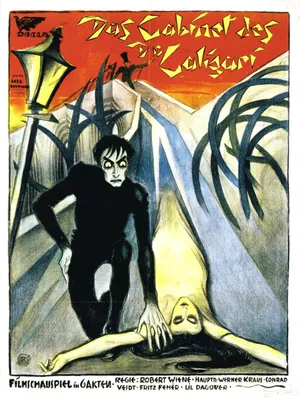
Silent film is where cinema invented its own grammar, and because copyright protection on pre-1928 US works and many foreign productions has long since expired, this is the most completely public corner of film history. The catalogue spans continents and moods: Georges Méliès's hand-tinted trick film "A Trip to the Moon" (1902), the birth of special effects; Robert Wiene's "The Cabinet of Dr. Caligari" (1920), all crooked doorways and painted shadows, the founding text of German Expressionism; F.W. Murnau's unlicensed "Nosferatu" (1922), a Dracula adaptation so brazen a German court ordered every print destroyed — a few survived, and it's now free everywhere; and Dziga Vertov's kinetic Soviet montage experiments a few years later. Comedy shorts from the Keystone lot, chase sequences built for live orchestras, and title cards doing the work modern films hand to dialogue all sit side by side. Because these films predate synchronized sound, the version you watch is necessarily an interpretation — a particular tinting, a particular music cue — and that variability is part of the pleasure. Watch for the craft that had to substitute for sound: expressive make-up, exaggerated blocking, and lighting doing the emotional labor a raised voice would do today. Start with "Caligari" if you want the style that influenced everything from noir to horror, or Méliès if you want to see cinema's very first special effect.
Silent films
-
 1h 29m
 Broken Blossoms
-
 1h 22m
 Dr. Jekyll and Mr. Hyde
-
 1h 56m
 Faust
-

Metropolis
-
 22m
22m One Week
-
 2h 10m
 The Four Horsemen of the Apocalypse
-
 1h 25m
 The Golem: How He Came Into the World
-
The Last Laugh
- Advertisement
-
 1h 46m
 The Phantom Carriage
-
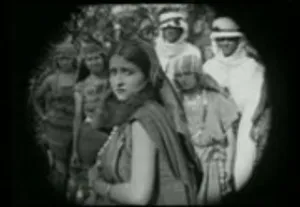 1h 26m
 The Sheik
-
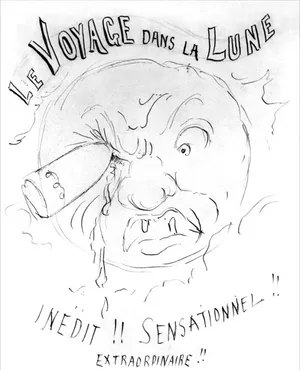 16m
16m A Trip to the Moon
-
 1h 13m
 Battleship Potemkin
-
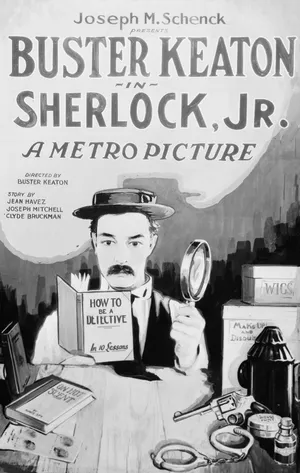 45m
45m Sherlock Jr.
-
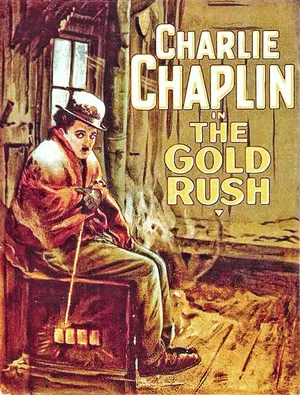 1h 27m
 The Gold Rush
-
 1h 19m
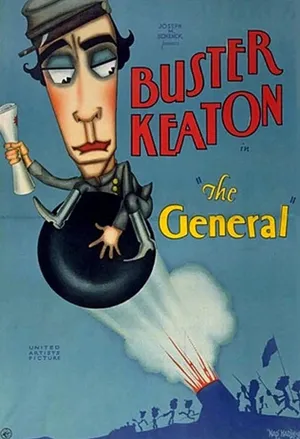
 The General
-
 1h 47m
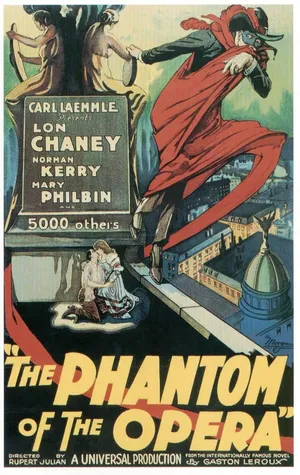
 The Phantom of the Opera
- Advertisement
-
 1h 16m
 The Cabinet of Dr. Caligari