H2O (1929)
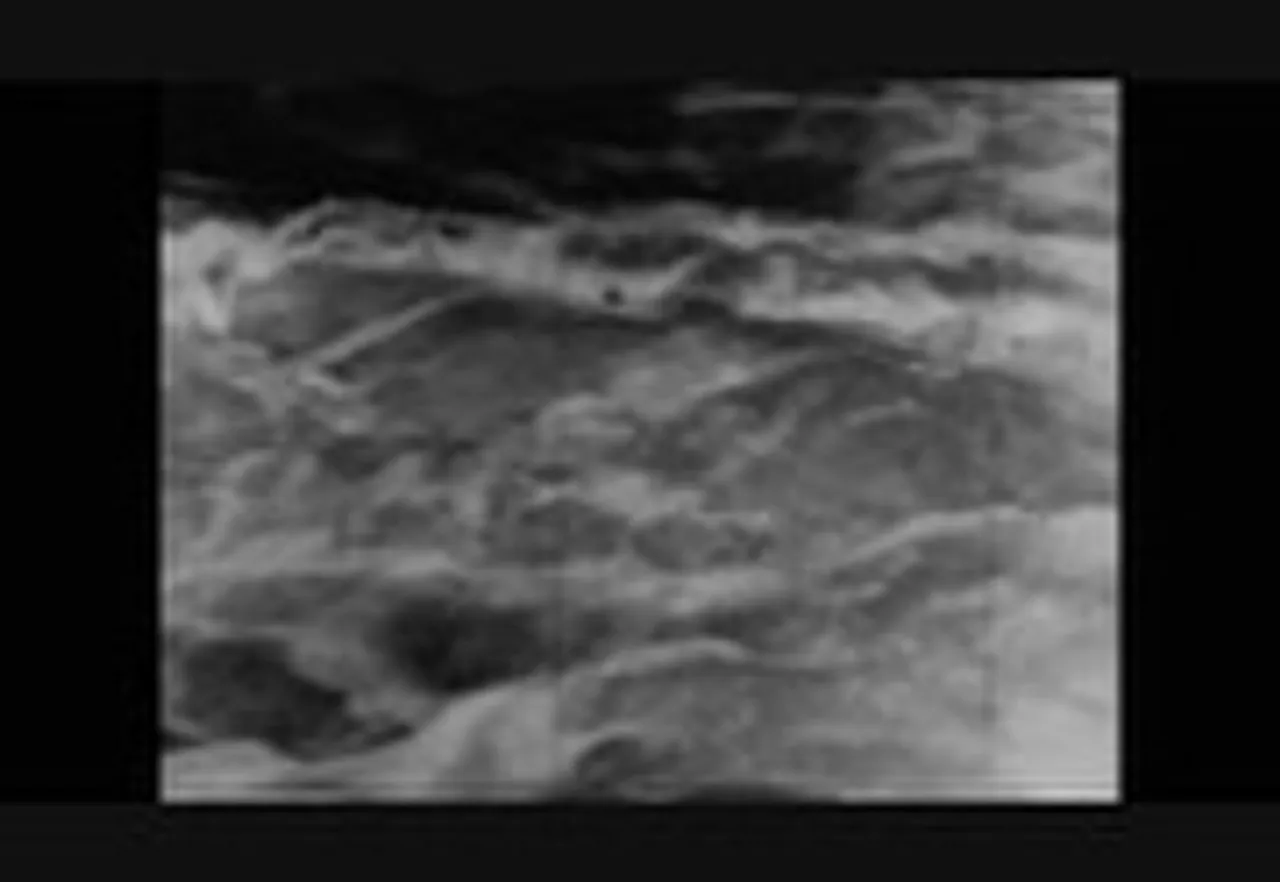
A wordless study of water in motion: rain, rivers, harbor swells, spillways, and foam, moving steadily from recognizable landscapes toward near-abstract patterns of light and ripple on the surface.
Photographer Ralph Steiner’s H2O is a touchstone of American avant-garde cinema, an experiment in pure visual rhythm made during the era of the “city symphony” film. It is preserved in the National Film Registry.
Background
H2O is a 1929 experimental short by Ralph Steiner, a photographer who worked in American avant-garde cinema and documentary in the late 1920s. The film is a study of water filmed across rain, rivers, harbors, and spillways, in the style of the city-symphony films of the period. Steiner made it when American photographers were applying modernist techniques to the moving image. It is preserved in the National Film Registry, which recognizes its importance to American experimental film.
What to watch for
H2O has no narrative, and its interest lies in its visual rhythm. Watch how the film moves from recognizable landscapes, such as rain and rivers, toward abstract patterns of light and ripple on the surface. The shifts in focus and framing carry the film from documentary description to close attention to surface and motion. The harbor swells and spillways give the film its architectural rhythm, while the foam and ripple shots push toward abstraction. At around nine minutes the film is compact, and it rewards repeated viewing for its gradual shifts in scale and texture.