Annabelle Serpentine Dance (1895)
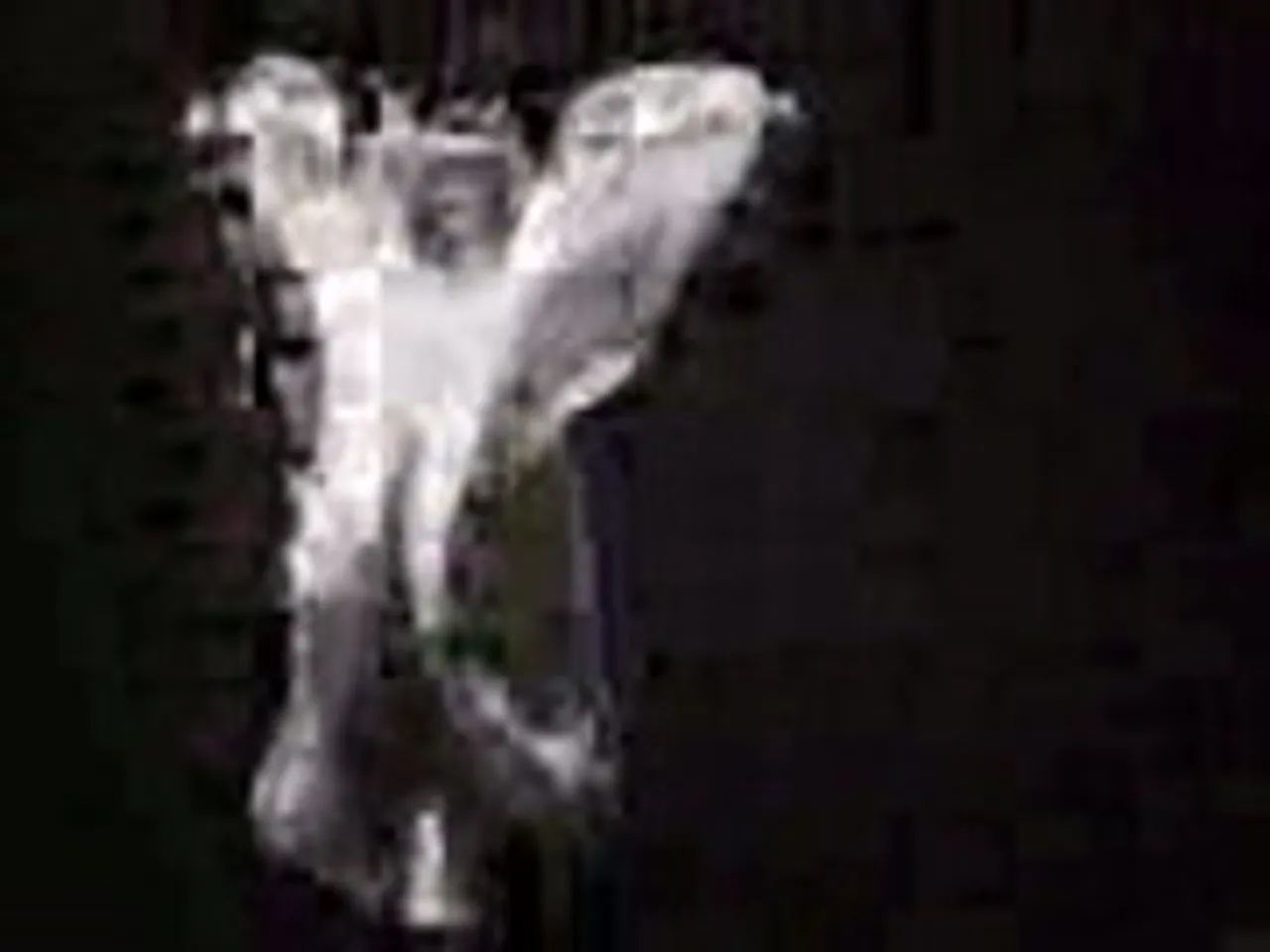
The dancer Annabelle Moore performs the popular Serpentine Dance for Edison's camera, swirling voluminous silk skirts and wands through the air. Some surviving prints are hand-tinted frame by frame so the billowing fabric shifts through changing colors.
One of the most frequently reprinted films of the Kinetoscope era, Annabelle Serpentine Dance shows the Edison studio experimenting with hand-applied color on motion pictures decades before photographic color processes. It is preserved in the National Film Registry.
Background
Annabelle Serpentine Dance was produced by the Edison Manufacturing Company and directed by William K. L. Dickson and William Heise, filmed at Edison’s Black Maria studio. It records the dancer Annabelle Moore, born Annabelle Whitford and known professionally as “Peerless Annabelle,” performing the serpentine dance, a swirling solo built around voluminous silk skirts manipulated with wands, that was one of the most popular stage novelties of the early 1890s. Edison’s studio made several versions of the dance with Annabelle over the following years, and this is among the most frequently reprinted films to survive from the Kinetoscope era. It was added to the National Film Registry in 2024.
What to watch for
Some surviving prints were hand-tinted frame by frame, so the fabric shifts through reds, blues, and yellows as it billows, an early and labor-intensive experiment in color decades before any photographic color process existed for motion pictures. Watching it alongside other Edison dance shorts from the same years shows how much of early cinema’s appeal rested on simple, repeatable spectacle, a single figure and a single camera position, rather than narrative. At under a minute, it is also a useful reminder of how short, and how purely demonstrative, the medium’s first commercial subjects were meant to be.