Intolerance (1916)
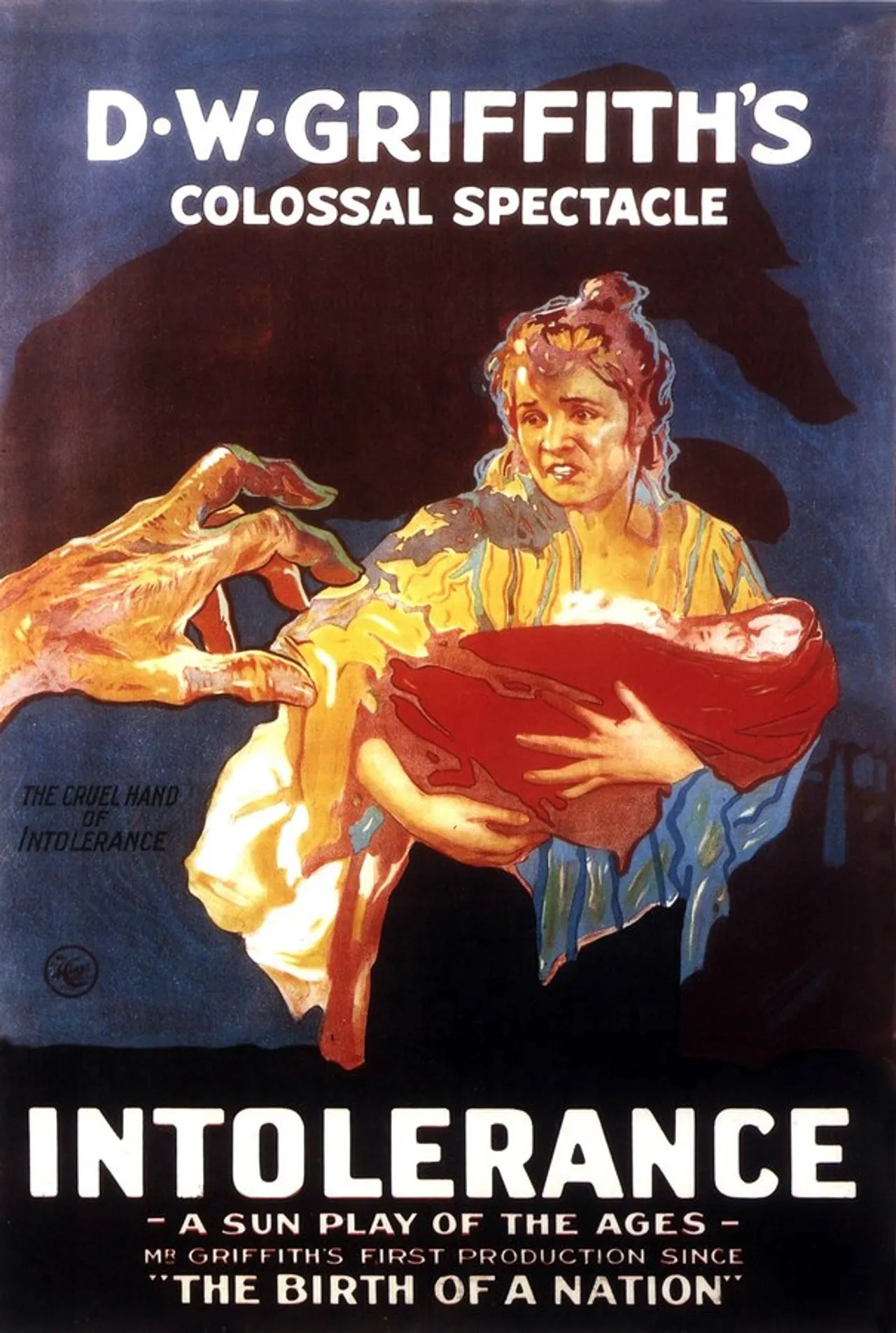
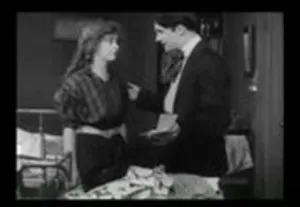
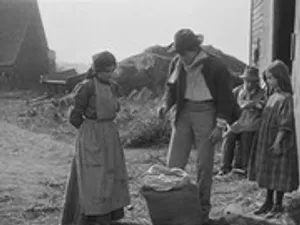
Four stories set in different eras are cross-cut together to trace the recurring damage done by hypocrisy and persecution: the fall of Babylon, the death of Christ, the 1572 St. Bartholomew's Day massacre in France, and a modern American tale of reformers destroying a working-class family.
D. W. Griffith’s response to critics of The Birth of a Nation, Intolerance is among the most ambitious films of the silent era, its enormous Babylonian set and accelerating parallel montage deeply influential on the Soviet filmmakers of the 1920s. It was named to the National Film Registry in 1989.
Background
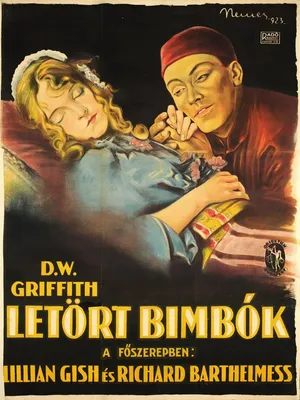
D. W. Griffith made Intolerance after the success of The Birth of a Nation, which had been widely criticised for its racist portrayal of Black Americans, and it was in part his answer to that criticism. He built a colossal set for the Babylon sequences on Sunset Boulevard in Hollywood, which towered above the surrounding buildings and stood for years. Lillian Gish appears as the woman rocking the cradle that links the four stories.
What to watch for
The film was not a commercial success, and Griffith lost money on it, but it had a huge influence. The cross-cutting between four stories in different periods, building to simultaneous climaxes, was studied closely by Soviet filmmakers such as Eisenstein. Look for the Babylon banquet scene and the race to save the innocent man in the modern story. It is long and sometimes preachy, but it is one of the most ambitious films ever made, and it was added to the National Film Registry in 1989.