The House in the Middle (1954)
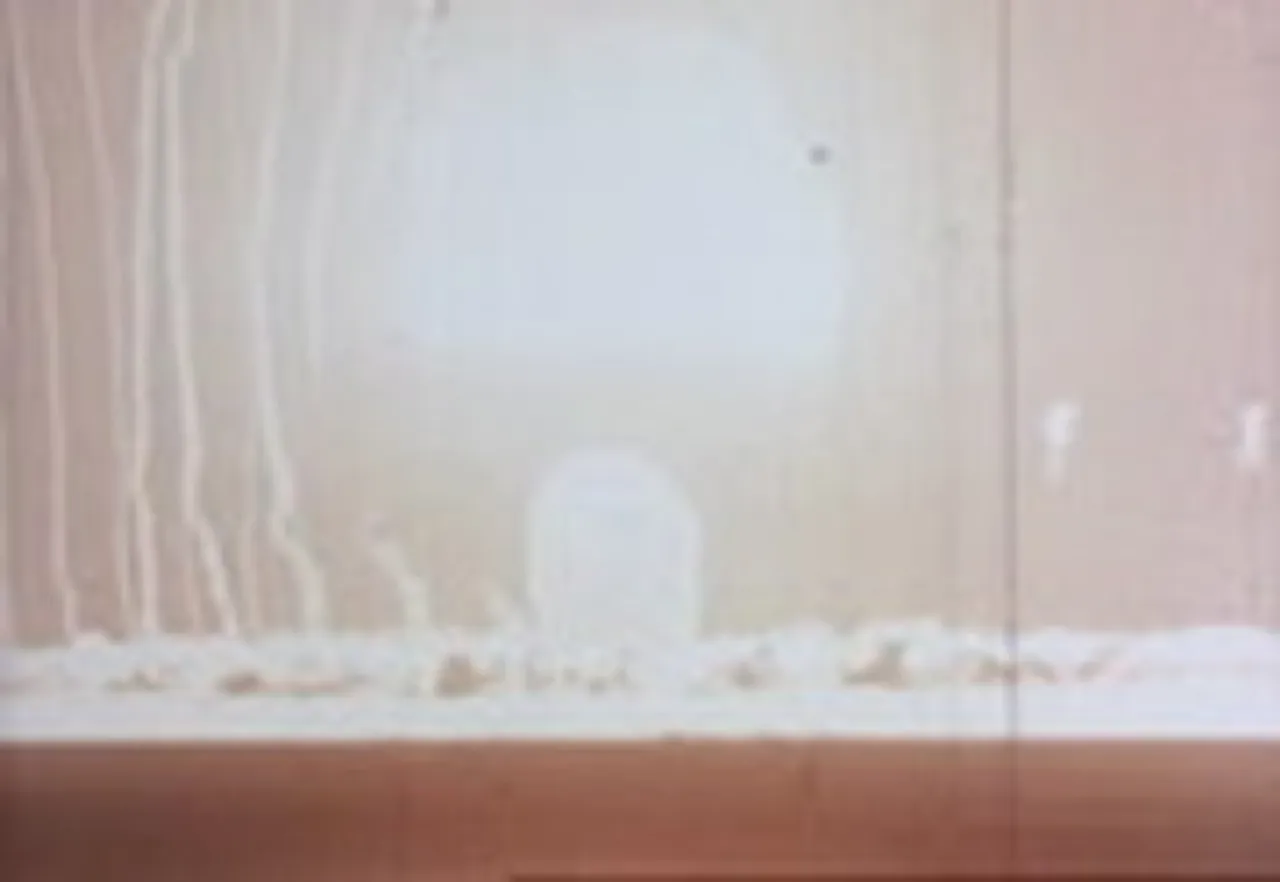
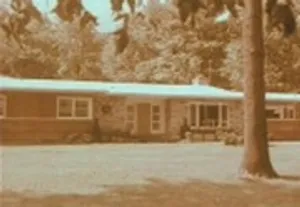
Using footage from the 1953 Upshot-Knothole Encore nuclear test at the Nevada Test Site, the film compares three small houses positioned at the blast site — two neglected and cluttered, one clean and freshly painted — to argue that basic upkeep can mean the difference between survival and destruction in a nuclear attack.
Co-produced by the Federal Civil Defense Administration and the paint industry’s National Clean Up-Paint Up-Fix Up Bureau, The House in the Middle fused Cold War survivalism with a hardware-store sales pitch, a combination stark enough that the Library of Congress selected it for the National Film Registry in 2001 and Rick Prelinger later folded it into his found-footage feature Panorama Ephemera (2004).
Background
Co-produced by the Federal Civil Defense Administration and the National Clean Up-Paint Up-Fix Up Bureau, an industry promotion tied to the paint trade, The House in the Middle was built around footage from the 1953 Upshot-Knothole Encore nuclear test at the Nevada Test Site. Three small houses were placed at the blast site, and the film uses them to make its argument. The Library of Congress selected it for the National Film Registry in 2001. It is a key example of the civil-defense films that tried to reassure Americans about nuclear attack during the early Cold War, translating that anxiety into domestic advice about upkeep and preparedness.
What to watch for
Watch the comparison that drives the film. Two of the houses are cluttered and neglected, while the third is clean and freshly painted, and the film presents the blast as a test of housekeeping, arguing that basic maintenance can make the difference between survival and destruction. The explosion and its aftermath are real test footage, which gives the sales pitch an uncomfortable seriousness. At about twelve minutes the film packs a great deal into a short running time, and its mixture of atomic spectacle and household advice is the thing viewers tend to remember. It is a striking document of how the nuclear age was sold to ordinary households.