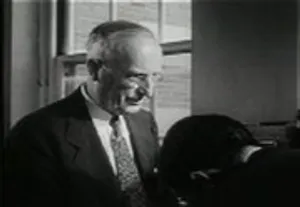
A Date with Your Family (1950)
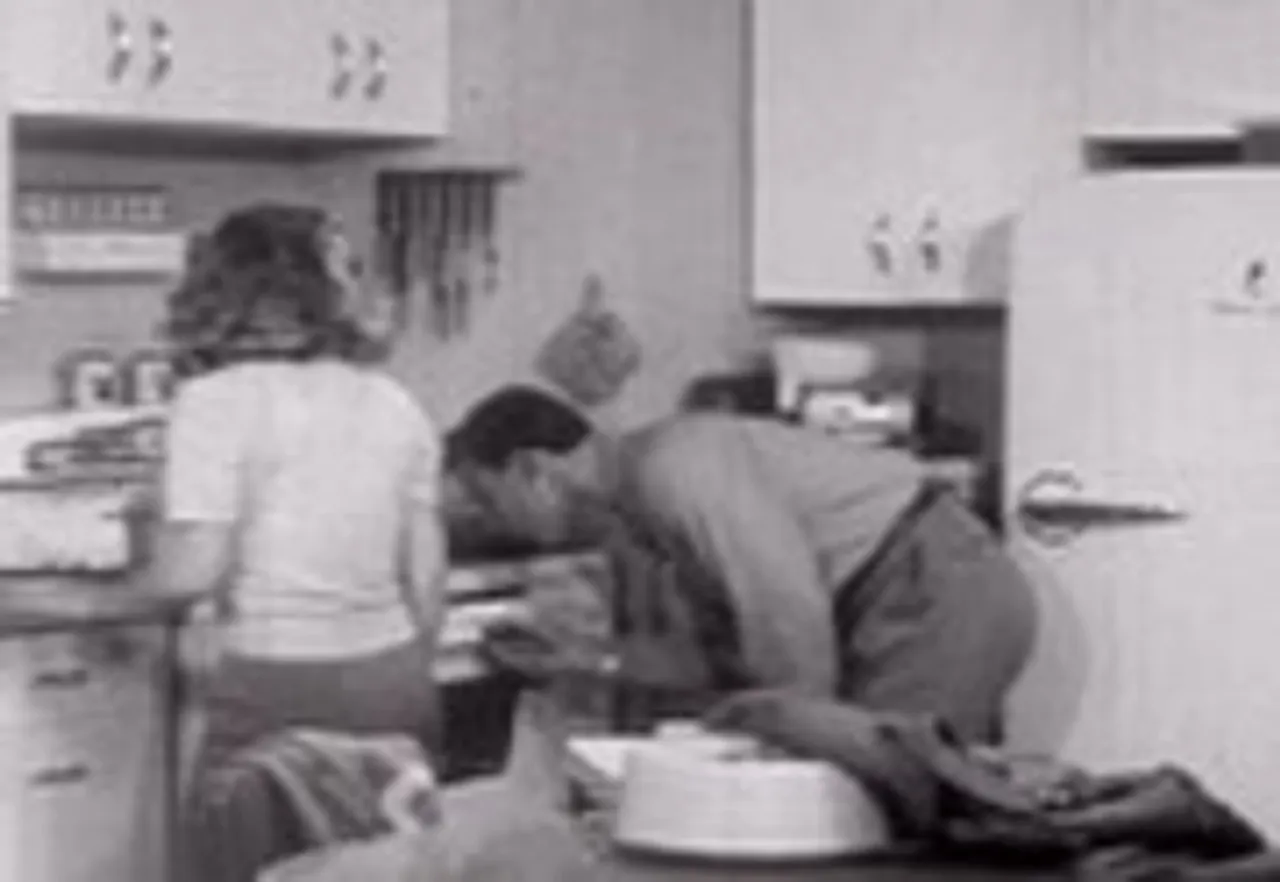
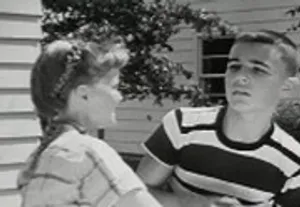
Over a single family dinner, an idealized household models the etiquette expected of a 1950s family — staying cheerful, helping without being asked, never airing complaints or bad grades at the table — while other families' lapses show what not to do.
Presented by Simmel-Meservey and directed by Edward G. Simmel, A Date with Your Family is a textbook entry in the postwar “mental hygiene” genre that used domestic ritual to model conformity. Its airless formality made it a favorite target decades later, riffed on by the cast of Mystery Science Theater 3000 for the rigidity of its rules and its ambiguous title.
Background
A Date with Your Family was presented by Simmel-Meservey and directed by Edward G. Simmel, with a script by Arthur V. Jones and narration by Hugh Beaumont, best known a few years later as the father on Leave It to Beaver. Distributed through Encyclopaedia Britannica Films to schools, it stages an idealized family dinner in which everyone stays cheerful, helps without being asked, and keeps complaints or bad grades away from the table, holding it up as the model other families fall short of. The film belongs to the postwar “mental hygiene” genre, classroom shorts that used manners and ritual to teach social conformity rather than any particular skill.
What to watch for
The contrast the film draws between the model family’s relentless pleasantness and the other families’ minor lapses, a sullen comment, a complaint about food, shows how rigid its definition of a “pleasant” dinner turns out to be. Hugh Beaumont’s narration keeps a tone of calm, reasonable instruction throughout, which only sharpens how strange the rules sound when stated outright. The film’s stiffness and its own ambiguous title made it a natural target decades later, when Mystery Science Theater 3000 devoted an episode to picking apart both.