Cindy Goes to a Party (1955)
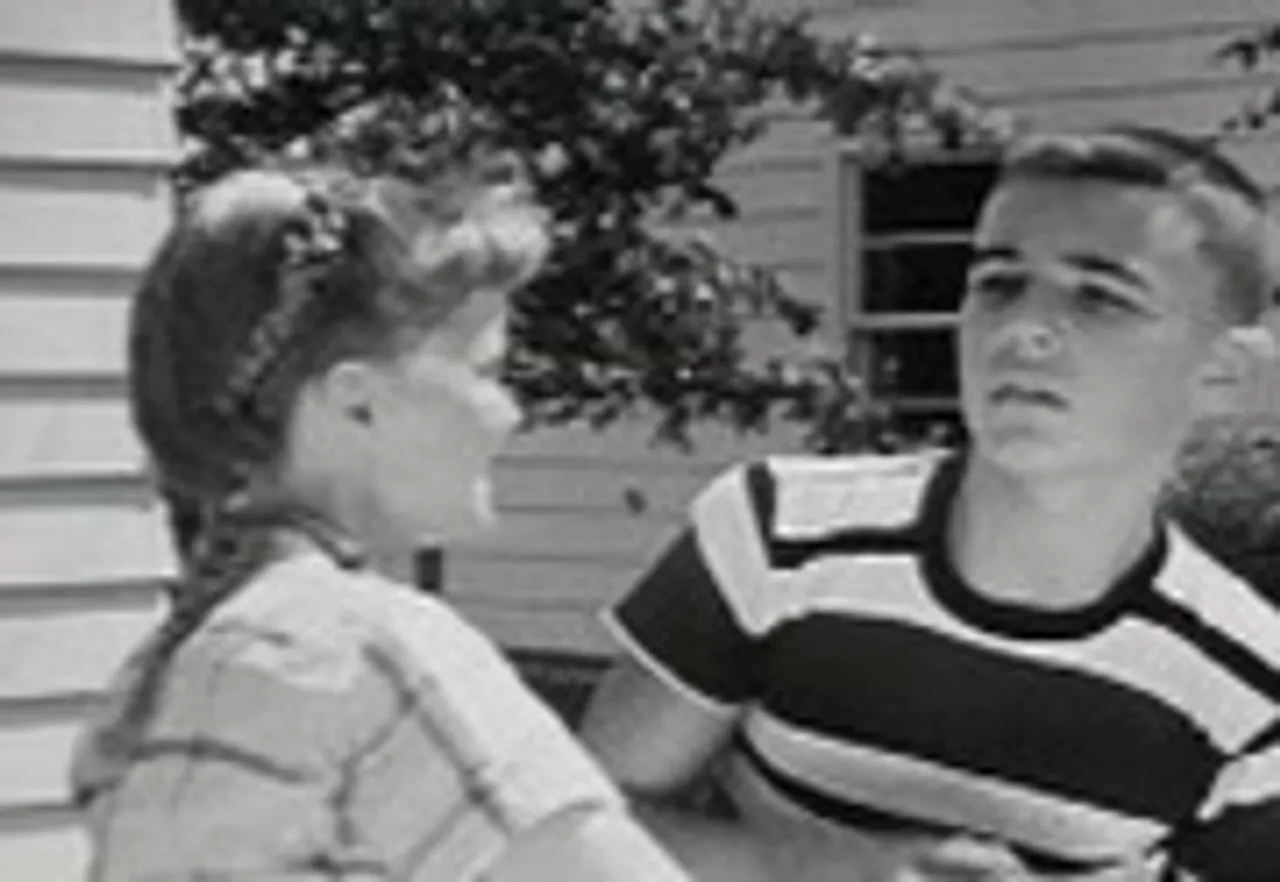
Tomboyish Cindy has no party invitation of her own until a dream brings her a fairy godmother, who drills her in etiquette — from careful handling of party games to leaving on time — before Cindy wakes to find an invitation has arrived after all.
Scripted by Trudy Travis for Centron Productions and shot in Lawrence, Kansas, Cindy Goes to a Party dresses its etiquette lesson in fairy-tale trappings rather than Centron’s usual straight docudrama, and it has become a recurring target of Mystery Science Theater 3000-style mockery for its literal-minded, wand-waving lessons in party manners.
Background
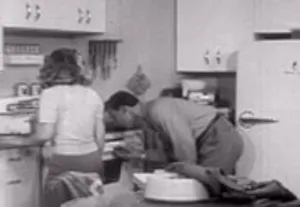
Written by Trudy Travis for Centron Productions and shot, as was Centron’s standard practice, around Lawrence, Kansas, with nonprofessional local talent drawn largely from the University of Kansas, Cindy Goes to a Party follows a tomboyish girl anxious about her social standing after she isn’t invited to a classmate’s birthday party. Falling asleep, Cindy is visited by a fairy godmother who whisks her and a friend, Dennis, to the party anyway, using magic-wand effects and other cinema trickery to drill her in etiquette — handling party games carefully, minding refreshments, and knowing when to leave. She wakes to find that an invitation has arrived after all.
What to watch for
Look for the fairy-tale machinery layered onto what is otherwise a stock classroom etiquette lesson: superimposed titles, wand effects, and other in-camera tricks dress up a fairly mundane set of party rules as magic. Centron generally sold itself on realistic docudrama staging, which makes this Cinderella conceit an outlier in the studio’s catalog of social-guidance shorts. Like much of that catalog, the film has acquired a second life as a target of latter-day riff comedy — its literal-minded fairy-godmother lessons in party manners land as deadpan absurdity for modern audiences far more than they did for the classrooms they were originally made for.