Habit Patterns (1954)
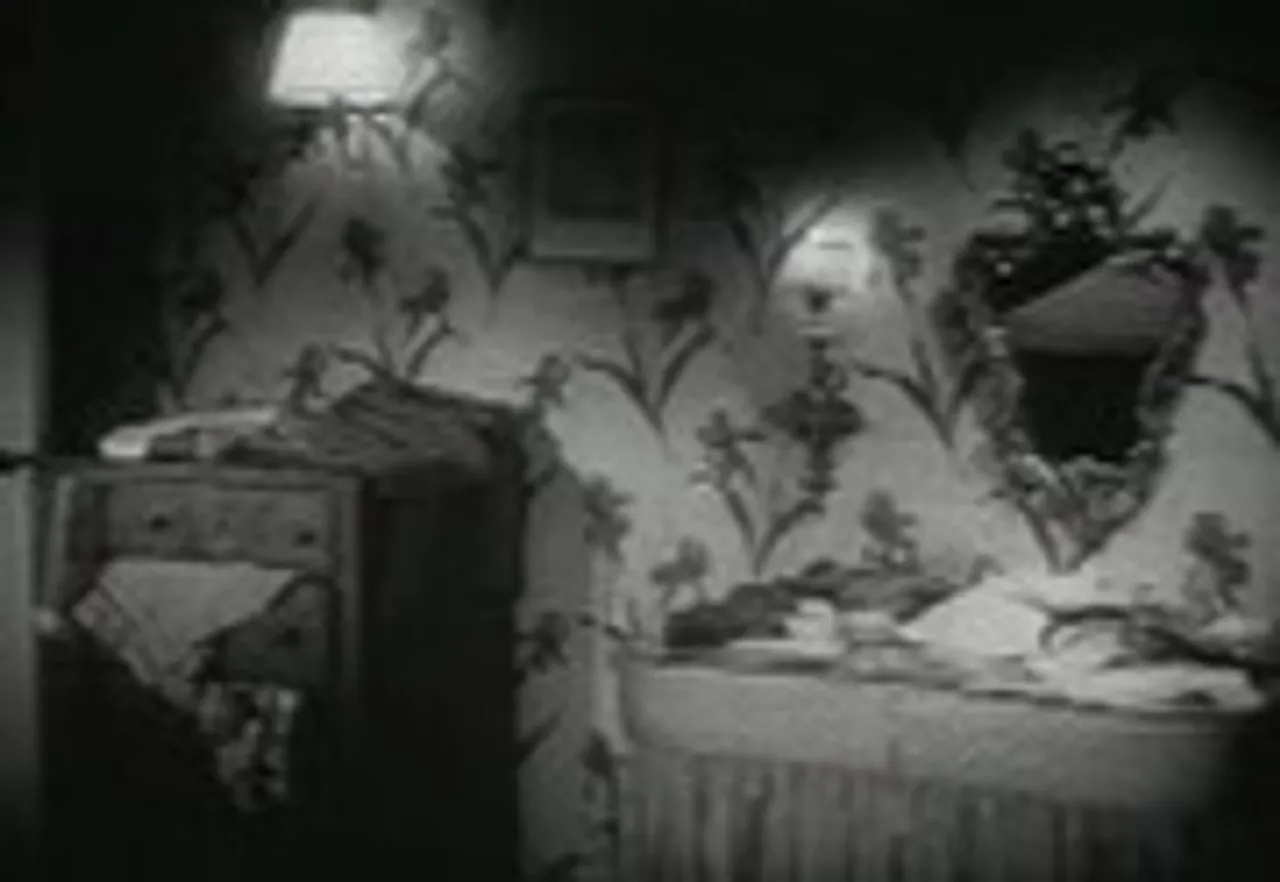
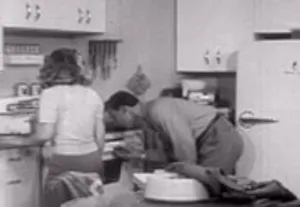
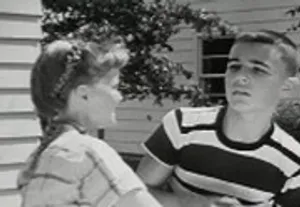
In a 'Goofus and Gallant'-style contrast, tidy, organized Helen is invited to an exclusive after-school party while sloppy, disorganized Barbara is left out, as the film traces how Barbara's small daily habits snowball into social rejection.
Produced by Knickerbocker Productions, Habit Patterns applies the era’s favored good-example/bad-example structure to grooming and self-discipline rather than manners alone, and its unsparing narration toward Barbara’s failures has since drawn notice as an especially harsh, class-inflected specimen of the genre’s moralizing.
Background
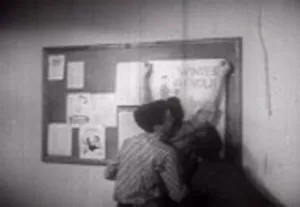
Produced by Knickerbocker Productions for McGraw-Hill’s “Psychology for Living” series, Habit Patterns opens on Barbara crying behind her closed bedroom door, then flashes back over her day to explain why: her sloppiness, poor time management, and general disorganization have cost her a spot at an exclusive after-school party that her tidy, organized classmate Helen attends instead. The film uses the era’s favored good-example/bad-example contrast, setting Barbara’s failures against Helen’s success to argue that small daily habits of grooming and self-discipline accumulate into social consequences.
What to watch for
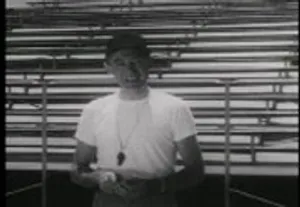
The narration directed at Barbara is notably harsher and more personal than the genre’s usual detached, clinical tone — it reads less like neutral instruction and more like active scolding of a specific girl’s character. The film’s stated subject is habit formation, but the party she’s excluded from functions as a stand-in for a fairly narrow, class-inflected standard of acceptability, worth noticing alongside its ostensibly practical advice about punctuality and tidiness. As with other “Psychology for Living” entries, the dramatized classroom framing is thin cover for a much blunter argument about conformity.