The Terrible Truth (1951)
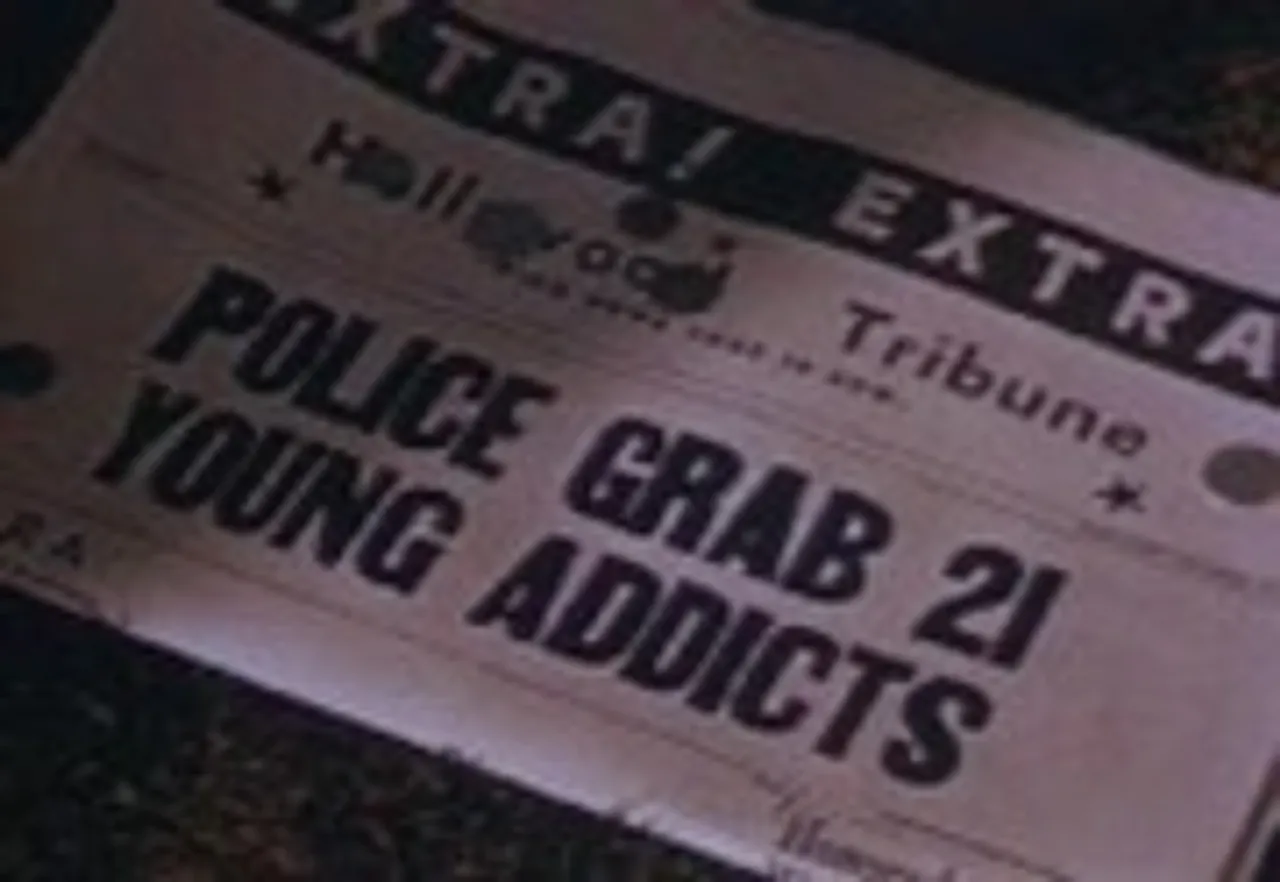
Framed as a case study by a juvenile-court judge, the film follows teenage Phyllis Howard from casual marijuana use into heroin addiction, crime, and incarceration, presenting her story as a warning to teenagers about where drug experimentation leads.
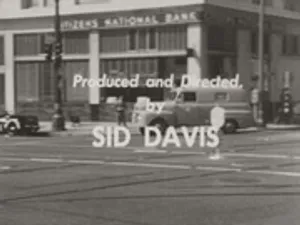
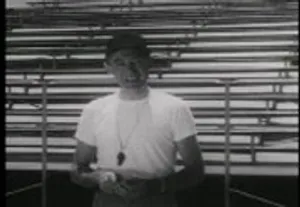
Produced by Sid Davis Productions and narrated in-character by Judge William B. McKesson, The Terrible Truth pairs Davis’s docudrama style with a Cold War undertone — the judge suggests Soviet interests promote drug trafficking to weaken American youth — making it a vivid record of how anti-drug messaging absorbed contemporary political anxieties.
Background
The Terrible Truth is a 1951 anti-drug short produced by Sid Davis Productions, a company known for educational films about juvenile delinquency and narcotics. It is framed as a case study presented by a juvenile-court judge, who addresses the audience directly and tells the story of a teenager who moves from casual marijuana use into heroin addiction, crime and incarceration. The judge is played by William B. McKesson in character. The film runs about ten minutes and was made as a warning for teenagers. Its narration draws a Cold War connection, suggesting that Soviet interests might promote drug trafficking to weaken American youth.
What to watch for
Pay attention to the framing device, in which the judge’s direct address turns the drama into a lesson for the viewer. The story’s escalation is presented with the stern pacing typical of 1950s instructional films, with each step of the young woman’s decline tied to a moral warning. The Cold War argument is the most unusual element and dates the film in a specific way, showing how anti-drug messaging absorbed the political anxieties of its time. Viewers should understand that the film’s factual claims and its policy-driven framing reflect the period’s moral campaigns rather than a modern medical account of addiction.