Atomic Alert (1951)

Aimed at elementary-school classrooms, this film explains atomic radiation and blast effects in child-friendly terms and rehearses the same civil-defense drills as its contemporaries — dropping to the ground and shielding the head and neck from a nuclear flash.
Released by Encyclopaedia Britannica Films at the height of early-1950s atomic anxiety, Atomic Alert offered a classroom-science counterpart to the more famous Duck and Cover, presenting nuclear physics alongside survival drills as though radiation exposure were simply another schoolyard hazard to be managed with the right technique.
Background
Produced by Encyclopaedia Britannica Films in May 1951 and originally titled Atomic Alert: School, Home, Street, the short was made, according to the trade periodical The Education Screen, in response to “a great demand for an atomic information film on the school level.” Though privately produced, it drew on outside expertise: physicists Enrico Fermi, Willard F. Libby, and Samuel K. Allison, all then with the University of Chicago’s Institute of Nuclear Studies, served as advisers. It was conceived as a classroom-level counterpart to the civil-defense film Duck and Cover, aimed at the same elementary-age audience but built around a more detailed explanation of radiation and blast physics.
What to watch for
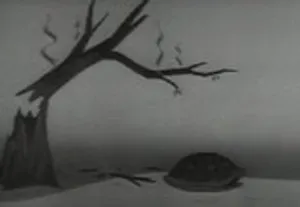
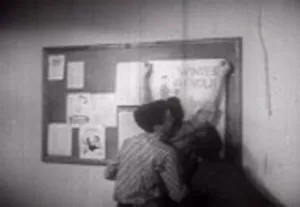
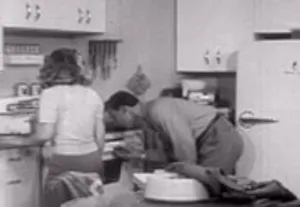
The film walks through three dangers it attributes to an atomic explosion: the initial blast, the heat that follows, and lingering radiation, illustrating each with brief animated sequences showing two children taking shelter. It covers the same drop-and-cover technique seen in other civil-defense films of the period, but adapts it to different situations children might find themselves in, whether at home, walking to school, or out on the playground. The matter-of-fact tone, pairing cartoon science with rehearsed survival drills, is typical of how Cold War-era civil defense media tried to make nuclear war legible, and survivable, to young children.