Faust (1926)
Plays here · source: Internet Archive
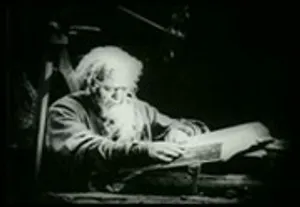
Mephisto wagers an archangel that he can corrupt the pious alchemist Faust, tempting the despairing old man with youth and power in exchange for his soul, a bargain that draws the innocent Gretchen into ruin and forces a final, fatal choice.
F. W. Murnau followed Nosferatu with an even more technically audacious production, and Faust’s in-camera trickery — the giant, wing-spread Mephisto looming over a miniature village, effects achieved without optical printing — still astonishes as pure silent-era craft, whatever one makes of its softened, redemptive ending.
Advertisement