The Golem: How He Came Into the World (1920)
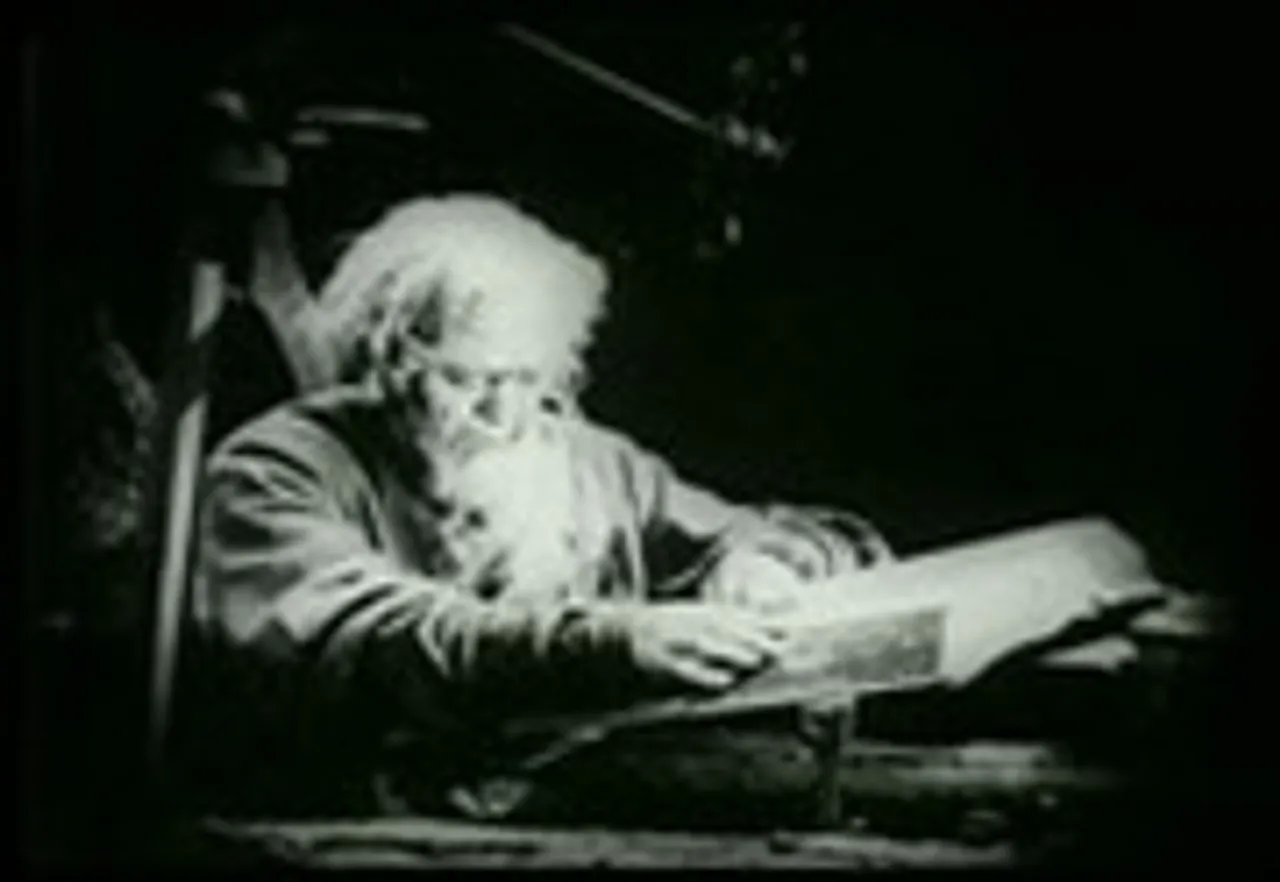
In sixteenth-century Prague, Rabbi Loew animates a towering clay figure with a mystical amulet to protect the city's Jewish ghetto from expulsion, only to watch his creation turn violent once its power slips beyond his control.
The third and only surviving installment of Paul Wegener’s Golem trilogy, The Golem: How He Came Into the World is a foundational text of German Expressionist horror, its crooked ghetto sets and lumbering clay creature a direct ancestor of the Universal monster movies that would follow a decade later.
Background
The Golem: How He Came Into the World is the only surviving installment of a trilogy of films Paul Wegener made about the legendary clay figure of Jewish folklore, and it serves as an origin story set in sixteenth-century Prague. Wegener both directed and starred as the Golem, a towering creature animated by a rabbi to protect the city’s Jewish ghetto from expulsion, whose power eventually slips beyond its creator’s control. The crooked, exaggerated sets were designed to evoke a medieval Prague built almost entirely from imagination rather than historical accuracy.
What to watch for
Watch for the film’s visual design, the twisted architecture and oppressive shadows closely associated with German Expressionist filmmaking of the period, and for Wegener’s physical performance as the Golem, which relies on slow, lumbering movement to convey both menace and a kind of tragic innocence. It is widely recognized as a direct ancestor of the Universal monster films that Hollywood would produce roughly a decade later, including Frankenstein, which shares the basic shape of a created being turning against its maker.