Dr. Jekyll and Mr. Hyde (1920)
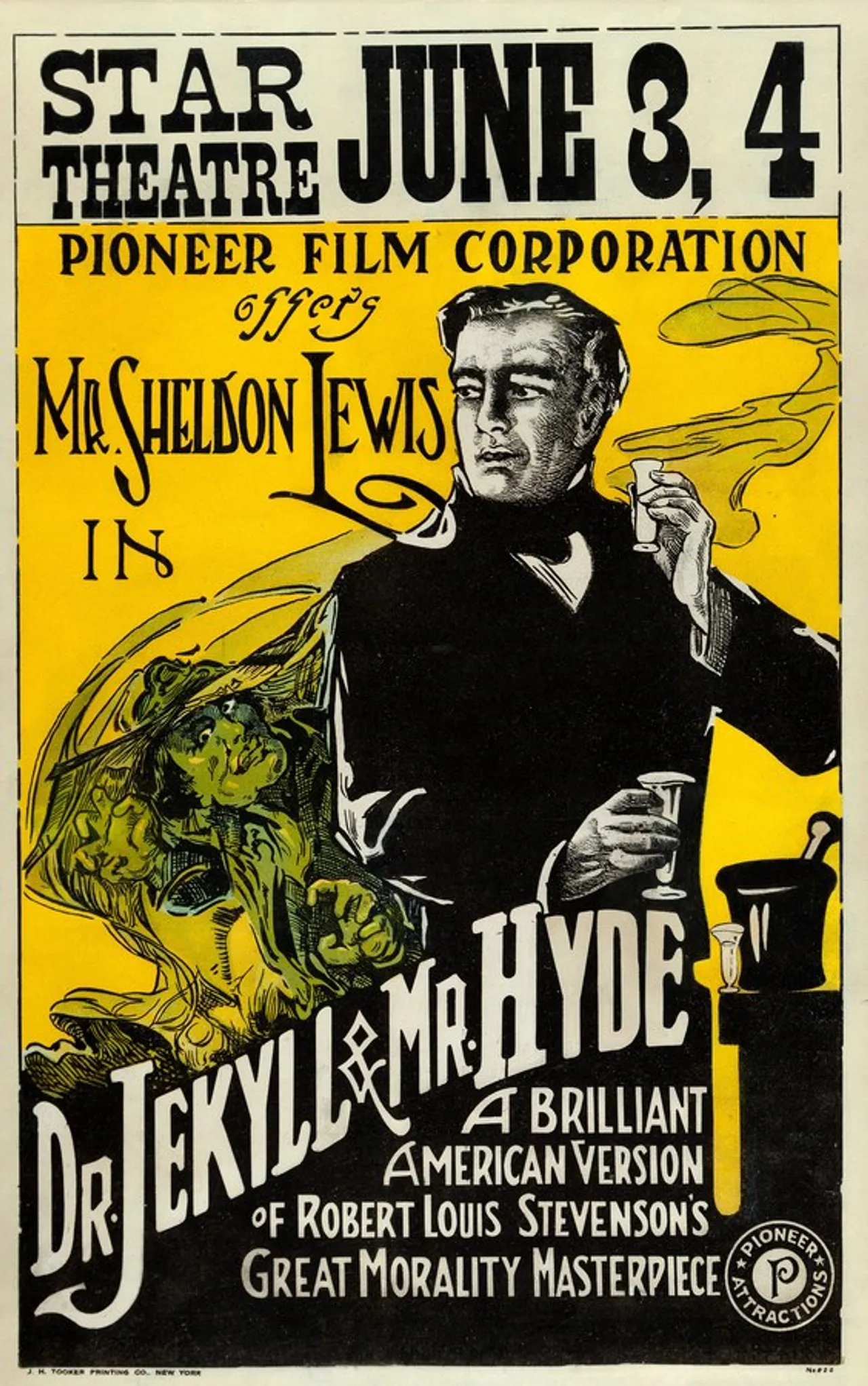
Respected London physician Henry Jekyll, convinced that good and evil can be chemically separated, drinks a potion that unleashes the depraved Edward Hyde within him, a second self that grows harder to suppress with every use.
John Barrymore performs Jekyll’s first lurch into Hyde with no dissolve and, famously, no makeup at all — contorting his own face and posture into the monster through sheer physical control — and this 1920 Dr. Jekyll and Mr. Hyde remains the definitive silent telling of Stevenson’s story, made the same year two rival Hyde pictures raced it to theaters.
Background
This version of Dr. Jekyll and Mr. Hyde starred John Barrymore, already known as one of the most admired stage actors of his generation, in a performance built around his own physical transformation rather than stage makeup or trick photography. His first shift from Jekyll into Hyde is performed on camera without a cut or a dissolve, using only changes in posture, facial contortion, and movement to suggest the character’s descent. The film was one of at least three Jekyll and Hyde adaptations rushed into production around the same time, a result of the story’s public-domain status even then.
What to watch for
Watch for how the film leans on Barrymore’s physical performance rather than visual effects to carry its horror, a choice that places more weight on the actor than most adaptations of the story that followed. It remains widely regarded as the definitive silent version of Robert Louis Stevenson’s story, in part because later sound versions, including the celebrated 1931 Fredric March film, had the benefit of makeup and sound design that this version could not use.