
The Unchained Camera
Four films in five years where F. W. Murnau broke a new piece of film grammar every time, and told stories about bargains that cost everything.
-
 1h 32m
Nosferatu
-
The Last Laugh
-
 1h 56m
Faust
- Advertisement
-
 1h 34m
Sunrise
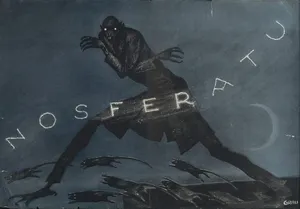
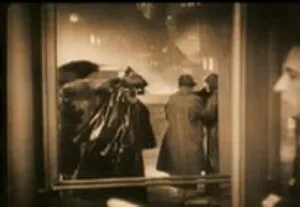
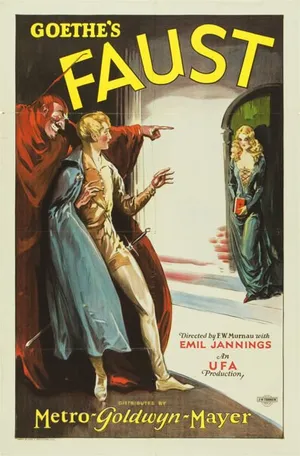
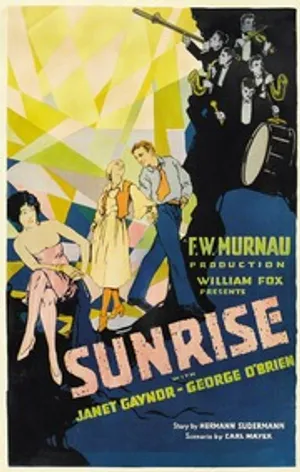
F. W. Murnau made four films in five years that each broke something new about how a movie could move, and none of them are shy about what it costs to lose what you value most. Nosferatu starts it: a house-sale trip to a remote castle turns into a vampire’s bargain and then a plague ship, filmed so unmistakably like Stoker’s novel that a court ordered every print destroyed — a handful of smuggled copies survived to make Count Orlok the face of screen horror anyway. The Last Laugh follows an aging hotel doorman whose gold-braided uniform is his entire pride and standing, told almost without a single intertitle by Karl Freund’s “unchained camera,” mounted on bicycles, cranes, and his own chest to keep the story moving without words. Faust trades the doorman’s small humiliation for the largest bargain there is — Mephisto wagering an archangel he can corrupt a pious old alchemist — staged with in-camera trickery, a giant wing-spread devil looming over a miniature village, that still doesn’t look like a trick. Sunrise, Murnau’s first American film, closes the run on a bargain nearly kept: a farmer talked into drowning his wife instead rediscovers her across one redemptive day, shot with moving sets and the new Movietone sound-on-film process. Four bargains, four technical dares, one director restlessly inventing the grammar silent film would run out of time to fully use.