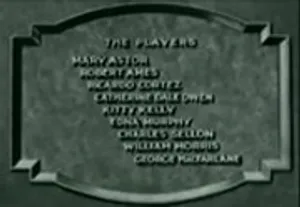
The Scarlet Letter (1934)
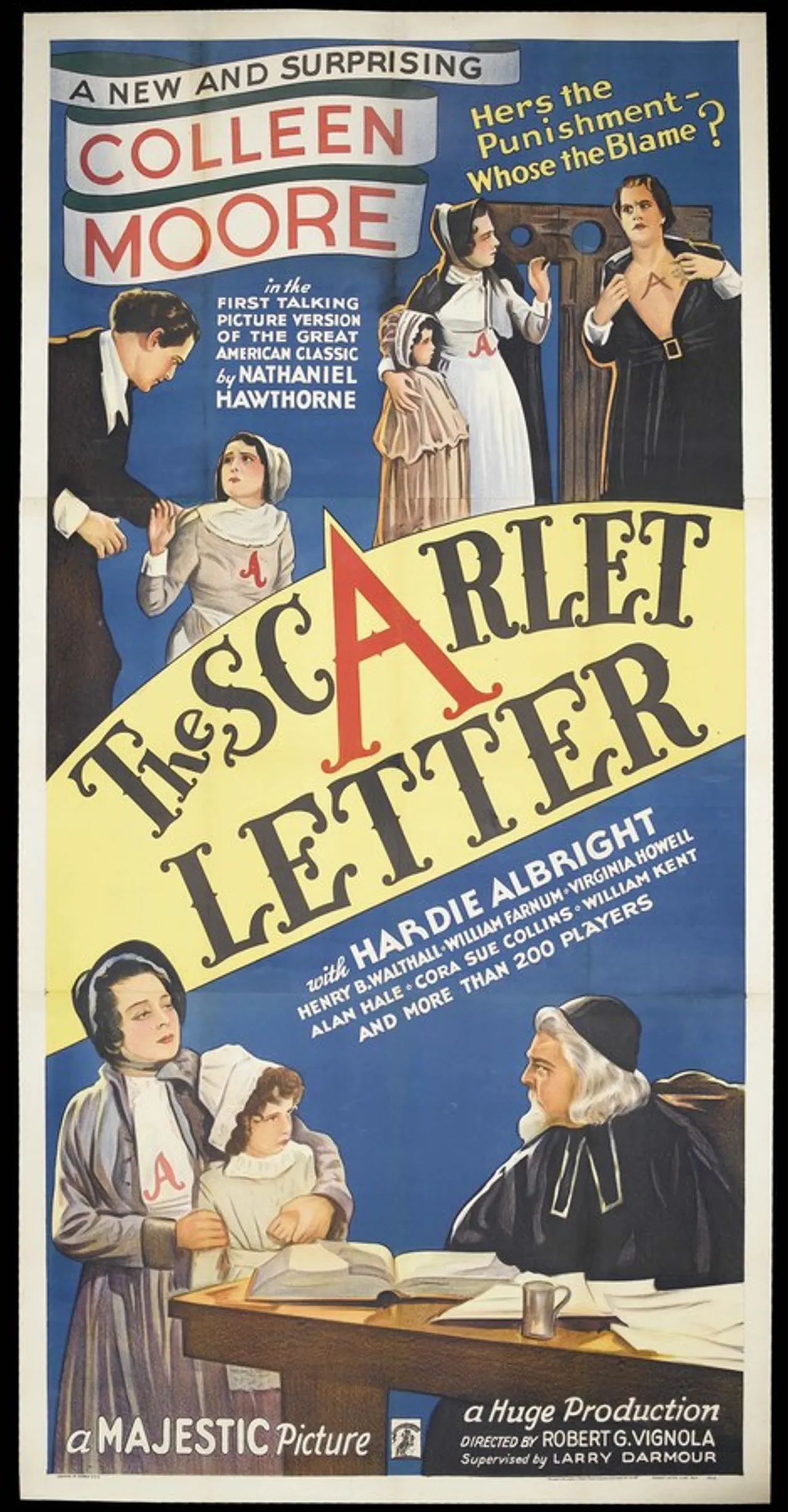
In Puritan Boston, Hester Prynne is condemned to wear a scarlet 'A' after bearing a child out of wedlock and refusing to name the father, a respected townsman whose guilt quietly consumes him as her husband returns bent on revenge.
This Poverty Row production leaned on Colleen Moore’s star power in one of her rare sound-era leading roles, arriving decades before more famous adaptations and now surviving chiefly through the low-budget prints that kept The Scarlet Letter and Majestic Pictures’ catalog in circulation.
Background
This version of The Scarlet Letter was produced by Majestic Pictures, one of the smaller Poverty Row studios operating outside the major Hollywood system, and it leaned heavily on the established star power of Colleen Moore, a major silent-era actress making one of her relatively rare appearances in a sound film. The story follows Nathaniel Hawthorne’s Puritan-era heroine Hester Prynne, condemned to wear a scarlet letter after bearing a child out of wedlock and refusing to name the father, a respected townsman slowly consumed by guilt.
What to watch for
Watch it as an example of how smaller studios handled prestigious literary material on a limited budget, well before more famous and lavishly produced adaptations of Hawthorne’s novel reached audiences decades later. Moore’s performance carries much of the film, and it offers an interesting look at how a star associated with lighter, more modern flapper roles during the silent era handled a heavier, more serious period drama as sound cinema reshaped what kinds of roles were available to her.