Behind Office Doors (1931)
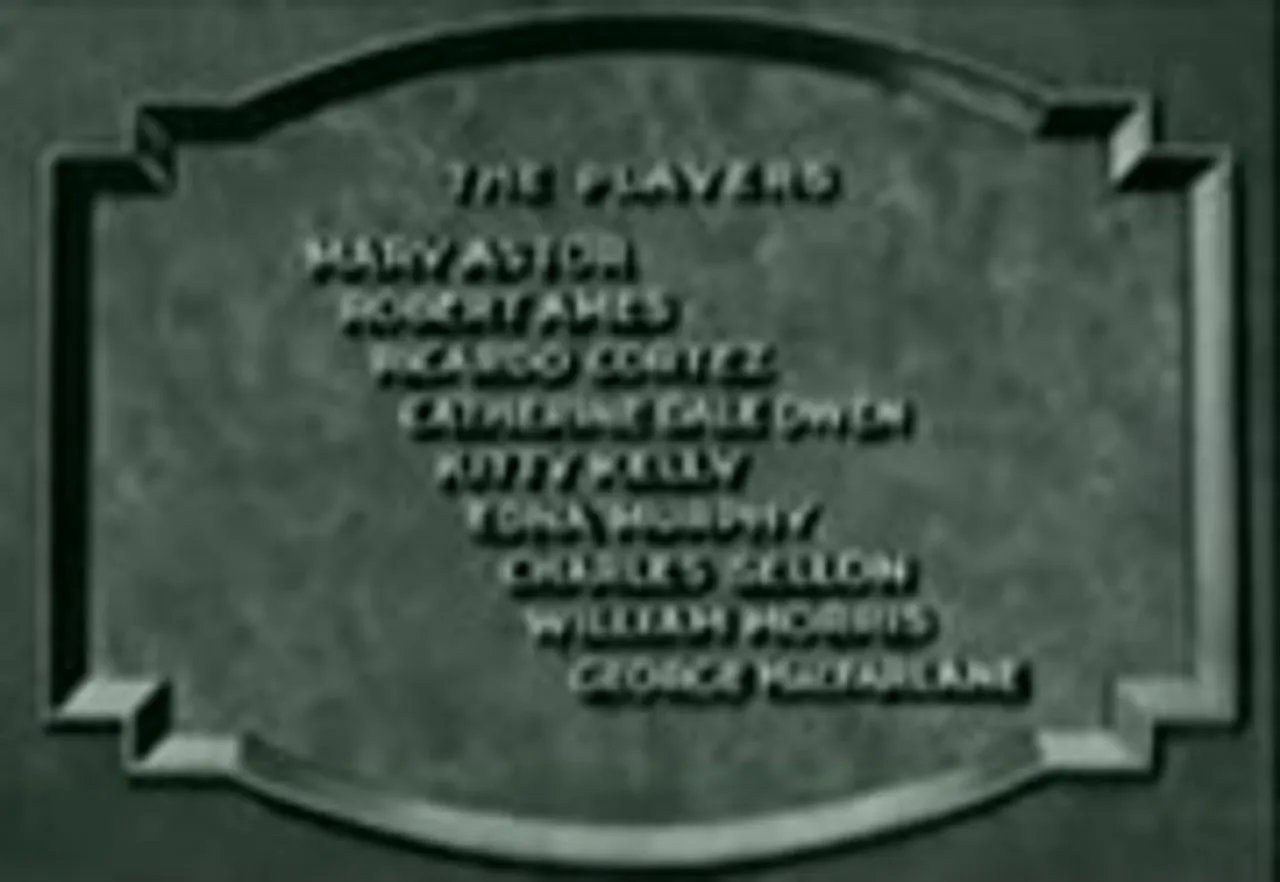
Mary Linden, an executive secretary, quietly runs the career of the salesman she loves, using her own contacts and instincts to push him to the top of the paper company. When he takes his promotion and a socialite fiancee for granted, she nearly leaves with another man before he grasps what she has meant to him.
One of several early-1930s RKO vehicles built around Mary Astor as a poised, capable professional. Behind Office Doors survives as a brisk pre-Code study of office romance and of the unacknowledged work done by the women who kept businessmen on top.
Background
Behind Office Doors was directed by Melville W. Brown from a screenplay by Carey Wilson and J. Walter Ruben, adapting Alan Schultz’s 1929 novel Private Secretary. RKO released the film on July 5, 1931, with a runtime of 82 minutes, built around a premise familiar to pre-Code audiences: the capable woman working unseen behind a less capable man’s success. Critics at the time were not especially kind to it, but it performed well at the box office, one of several early-1930s RKO pictures that gave Mary Astor roles as a poised, professional woman rather than an ingenue.
What to watch for
Mary Astor’s Mary Linden runs the career of salesman James Duneen from her desk, using her grasp of the paper business and her own company contacts to engineer his sales coups and eventually his promotion to company president. The film’s pre-Code frankness shows in how plainly it credits her work and how little credit Duneen is willing to extend her once he has it, taking both his new title and a socialite fiancée for granted. Ricardo Cortez, as the man who nearly draws Mary away, gives the plot’s final act its tension before Duneen recognizes, rather late, what she has actually done for him.