All Quiet on the Western Front (1930)
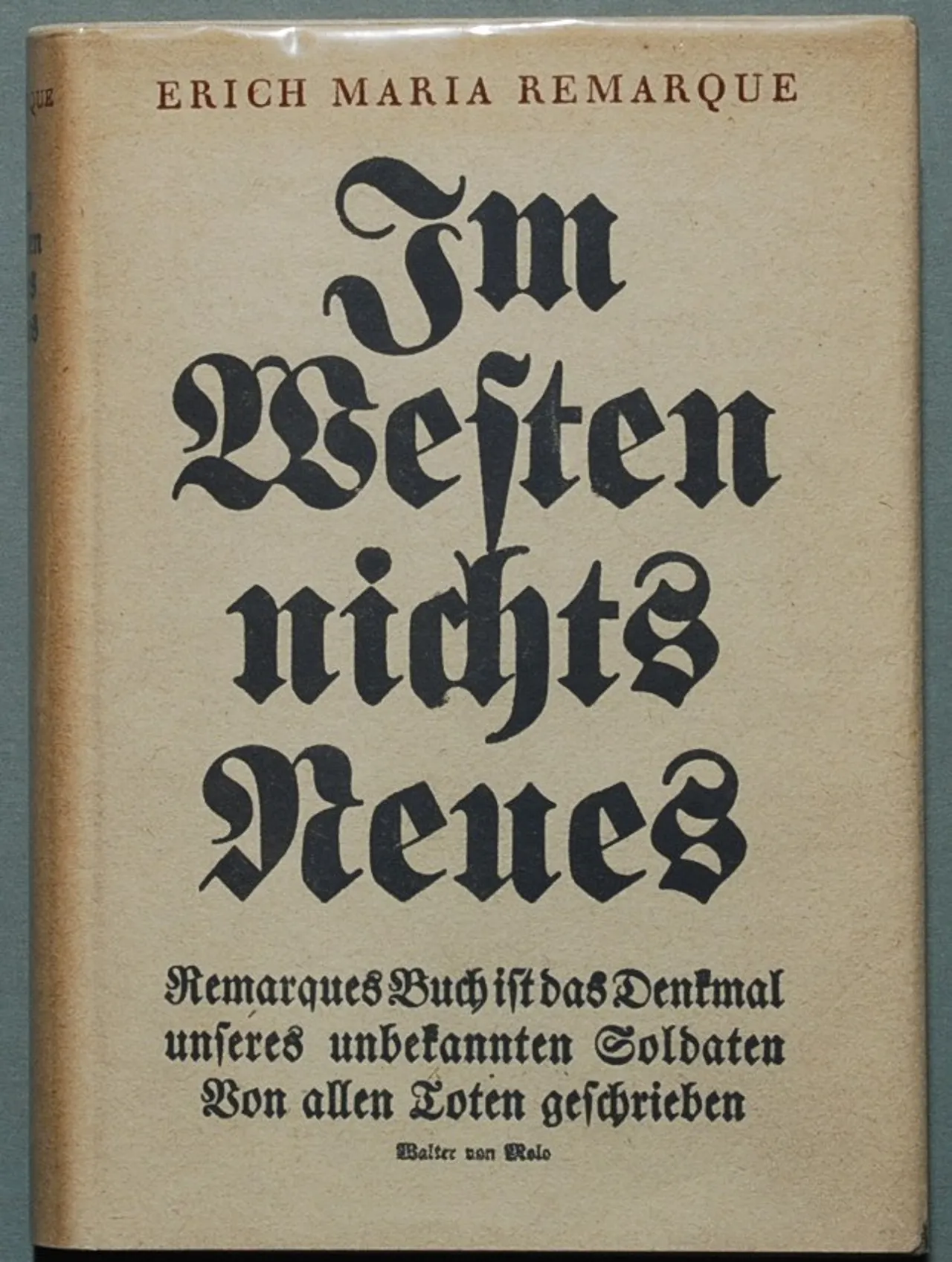
Spurred on by a jingoistic schoolmaster, Paul Baumer and his classmates enlist with enthusiasm in the German army of the Great War. Trench bombardment, hunger, and the deaths of friends strip away every illusion of glory before Paul meets his own end.
Lewis Milestone’s adaptation of Erich Maria Remarque’s novel won the Academy Award for Best Picture and remains one of cinema’s definitive antiwar statements, its mobile tracking shots along the trenches still widely imitated. All Quiet on the Western Front was added to the National Film Registry in 1990.
Background
All Quiet on the Western Front adapts Erich Maria Remarque’s novel about a group of young German soldiers whose enthusiasm for the First World War is destroyed by the reality of trench warfare. Director Lewis Milestone used unusually mobile camera work, including tracking shots that move along the length of the trenches during combat, techniques that were still relatively new for sound-era filmmaking and widely admired and imitated afterward.
What to watch for
The film won the Academy Award for Best Picture and is still regarded as one of the most effective anti-war films ever made, refusing to glamorize combat even as it depicts it on a large scale. Watch for the film’s ending, in which a small, quiet moment underscores the waste of the war more powerfully than any battle sequence, and note that it was selected for the National Film Registry in 1990, the year after the registry’s inaugural class.