Hallelujah (1929)
Zeke, a Southern sharecropper, accidentally kills a man in a brawl over the seductive Chick and, wracked by guilt, becomes a traveling preacher. When Chick reappears, she pulls him back toward temptation and violence.
Hallelujah was the first all-Black-cast feature financed by a major Hollywood studio, a project King Vidor pushed MGM to back and partly shot on location in Tennessee and Arkansas. Uneven in its melodrama and marked by period stereotype, it remains a landmark and is preserved in the National Film Registry.
Background
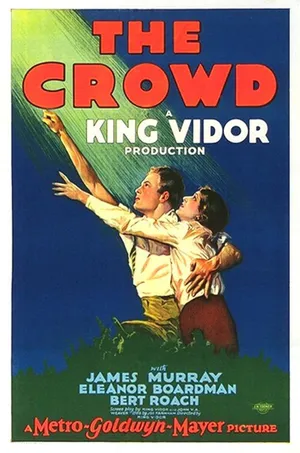
Hallelujah was the first feature film with an all-Black cast to be financed by a major Hollywood studio, a project that director King Vidor had to personally push MGM to approve. It was shot partly on location in Tennessee and Arkansas, and it follows a Southern sharecropper who accidentally kills a man, becomes a traveling preacher out of guilt, and is drawn back toward temptation when the woman involved in the earlier incident reappears in his life.
What to watch for
Watch it with an awareness that, alongside its historic significance as a rare mainstream showcase for Black actors and Black musical traditions at the time, it also reflects period stereotypes common to Hollywood depictions of Black life in the era. It is an uneven film by modern standards, but its ambition and the sincerity of Vidor’s advocacy for it are part of what have kept it in the National Film Registry and part of ongoing discussions about early Black representation in American film.