The Phantom Carriage (1921)
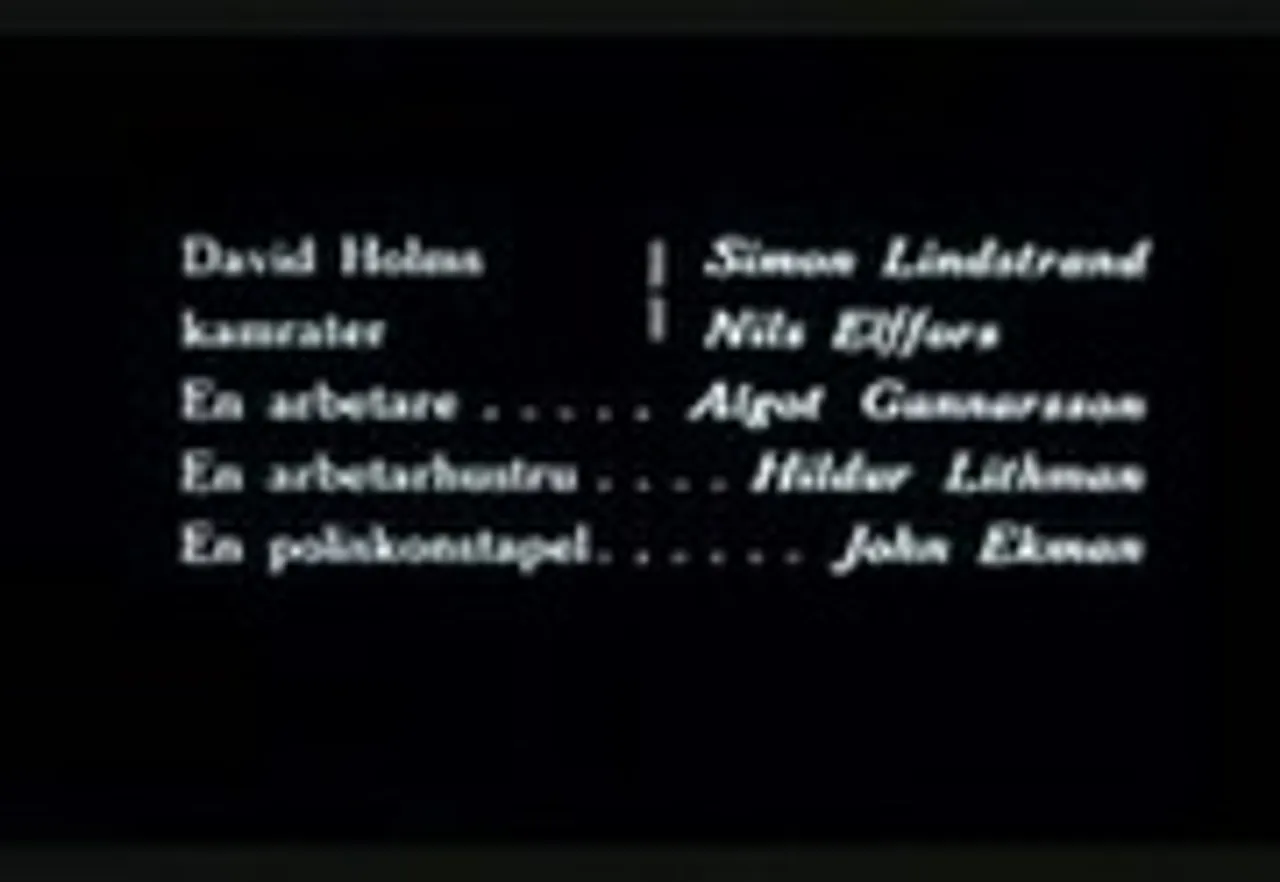
On New Year's Eve, a dying Salvation Army worker's last wish to see the dissolute David Holm sets a ghostly reckoning in motion: struck down at midnight, Holm is carried through his own wasted, cruel life by Death's phantom coachman.
Victor Sjöström’s double-exposure ghost effects were state-of-the-art in 1921 and remain quietly unnerving a century later, and The Phantom Carriage’s nested-flashback structure left such a mark on Ingmar Bergman — who reportedly screened it every year on his birthday — that its fingerprints show up across his own career.
Background
The Phantom Carriage was directed by and stars Victor Sjostrom, one of the leading figures of Swedish silent cinema. Adapted from a novel by Selma Lagerlof, the film uses a nested flashback structure in which a dying man’s final wish sets a ghostly reckoning in motion on New Year’s Eve. Its double-exposure effects were technically advanced for 1921. Ingmar Bergman admired the film and reportedly screened it every year on his birthday, and its structure and mood left a mark on his own later work. It is in the public domain because its copyright term has expired.
What to watch for
Watch the double-exposure effects that show Death’s carriage and the ghostly presence of the characters. The central figure, David Holm, is carried through his own cruel history by the phantom coachman, and the flashbacks reveal the damage he has done to others. The shifts between the living and the dead are handled with slow, deliberate editing, which gives the scenes an eerie rhythm. At 106 minutes the film has real length, and its moral reckoning builds gradually, which rewards patient viewing. Its mix of supernatural imagery and harsh social observation is what has kept it in critical favor for a century.