The Cry of the Children (1912)
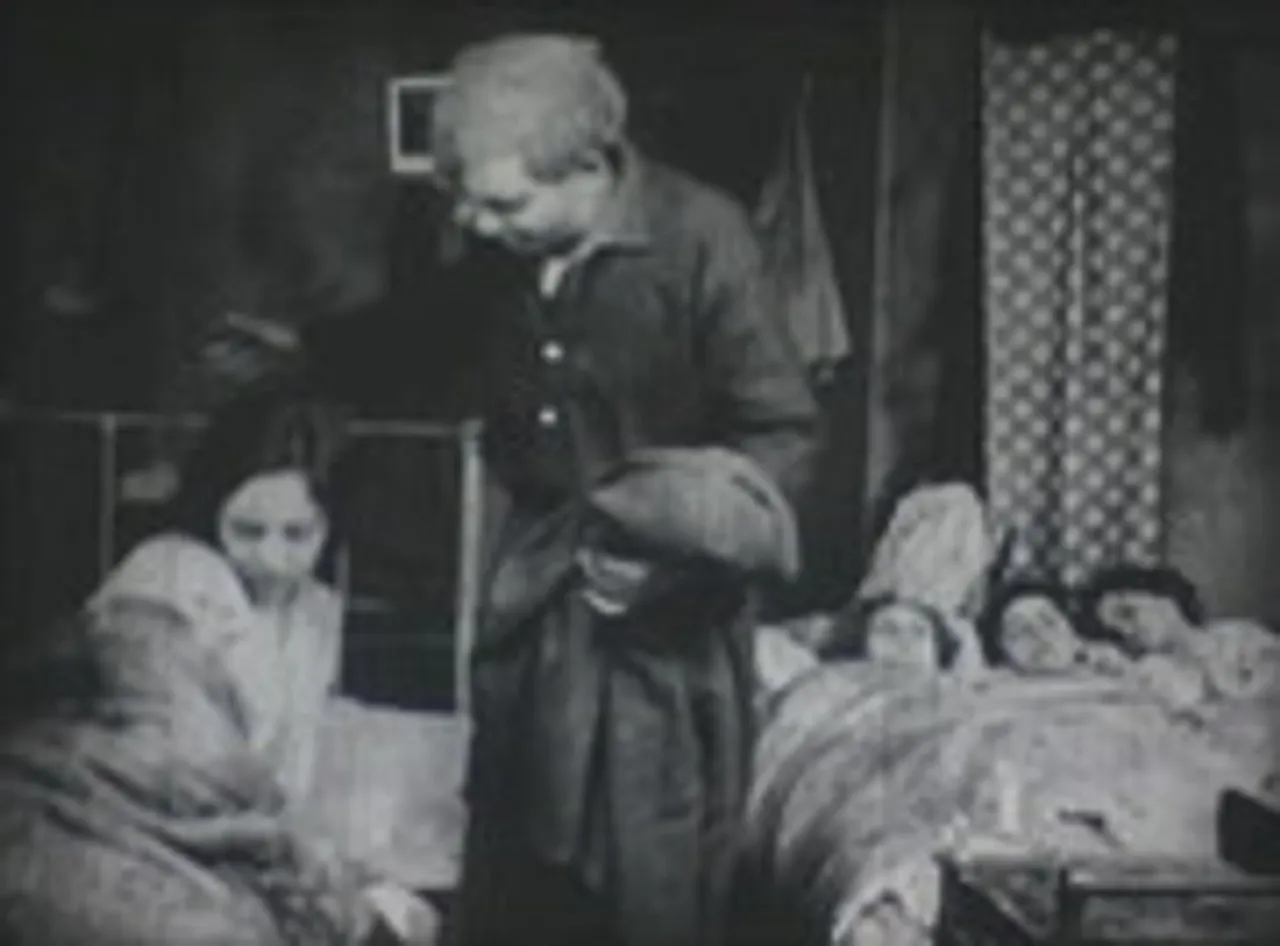
Drawing on Elizabeth Barrett Browning's poem, this Thanhouser drama follows a young girl and her family into the brutal conditions of a textile mill, interweaving its fictional story with real footage of child laborers.
The Cry of the Children used intertitles drawn directly from Browning’s poem and startled audiences by mixing staged drama with authentic footage shot inside a working textile factory. It was added to the National Film Registry in 2011.
Background
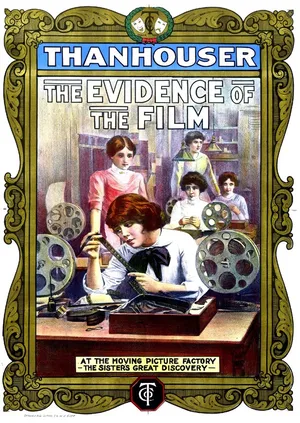
The Cry of the Children is a 1912 drama from the Thanhouser company, directed by George Nichols. It takes its title and central idea from Elizabeth Barrett Browning’s 1842 poem about child labour. The film follows a young girl and her family into the harsh conditions of a textile mill, and it combines this fictional story with footage of real child workers. The short film runs about half an hour and is an early example of American cinema using social reform as its subject. Marie Eline and James Cruze are among the cast.
What to watch for
Pay attention to the way the film moves between the fictional family and the documentary-style footage of working children, which gives the film much of its force. The poem’s refrain of the children’s cry becomes the emotional idea of the story, and the plot is arranged to show how the mill’s conditions affect a single household. The staging is simple, which keeps attention on the working conditions. Notice how the intertitles and images make the case for reform. Since the film is silent and short, its effect depends on images rather than dialogue, and that makes its argument direct.