The Blue Angel (1930)
A strait-laced professor falls obsessively for Lola Lola, a cabaret singer at the club where he goes to catch his students misbehaving, and his infatuation drags him from respectability into public humiliation.
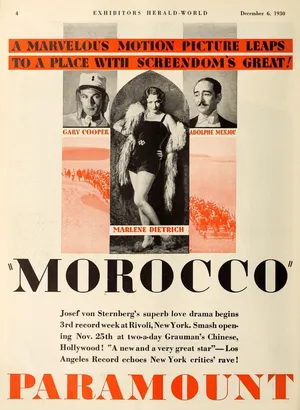
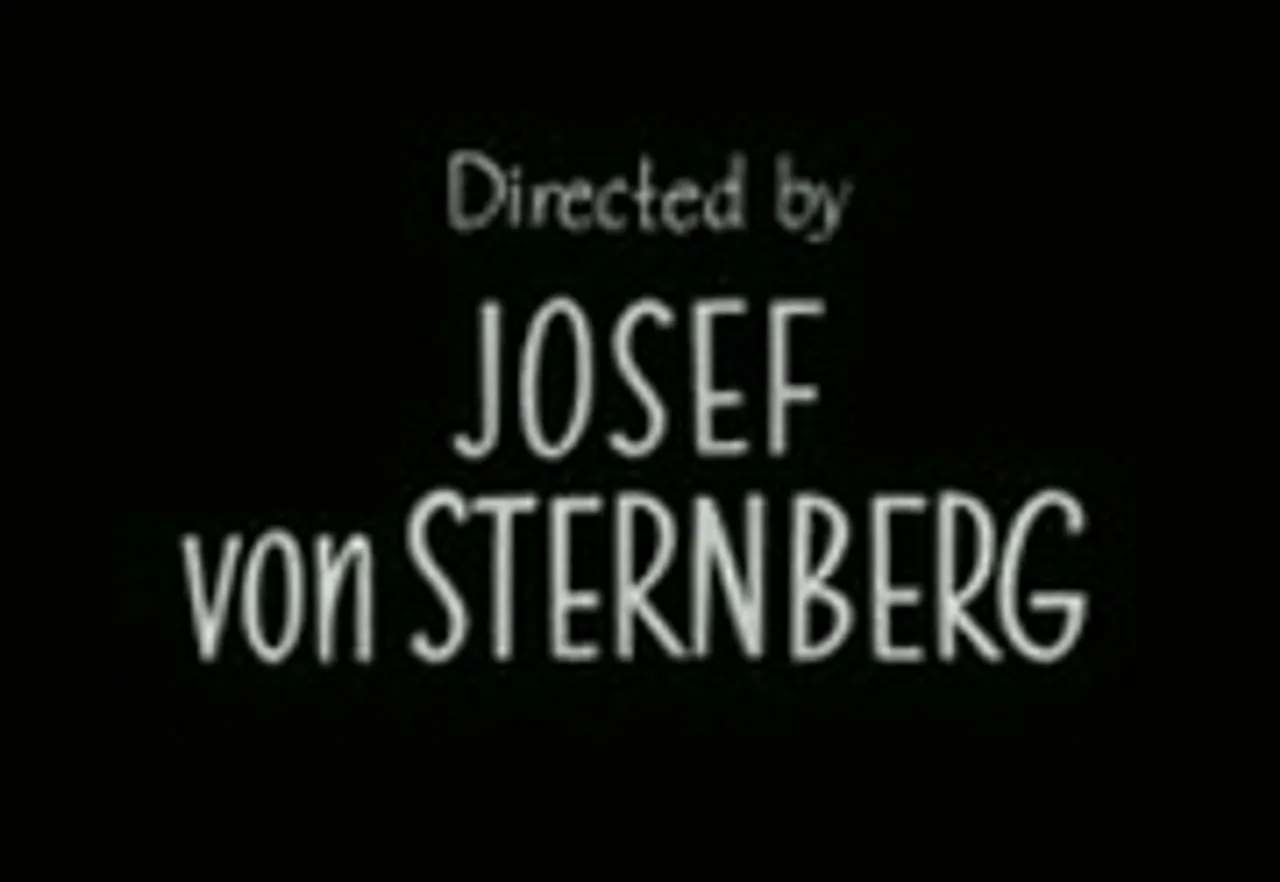
The Blue Angel was Germany’s first major sound feature and the film that launched Marlene Dietrich to international stardom, shot in parallel German- and English-language versions under Josef von Sternberg, whose collaboration with Dietrich would continue through six more Hollywood pictures.
Background
The Blue Angel was Germany’s first major sound feature film and the production that launched Marlene Dietrich to international stardom. Directed by Josef von Sternberg, it was shot simultaneously in German and English-language versions, a common practice before dubbing technology was fully developed, and it follows a strait-laced professor whose obsession with a cabaret singer, Lola Lola, leads to his public humiliation.
What to watch for
Watch for Dietrich’s performance and her musical numbers, particularly “Falling in Love Again,” which became closely associated with her for the rest of her career. Von Sternberg and Dietrich went on to make six more films together in Hollywood after this one, a partnership that shaped much of her early screen image. The film’s portrait of obsession and decline is bleak and unsparing, in keeping with von Sternberg’s reputation for stylized, morally ambiguous melodrama.