Ten Nights in a Barroom (1926)
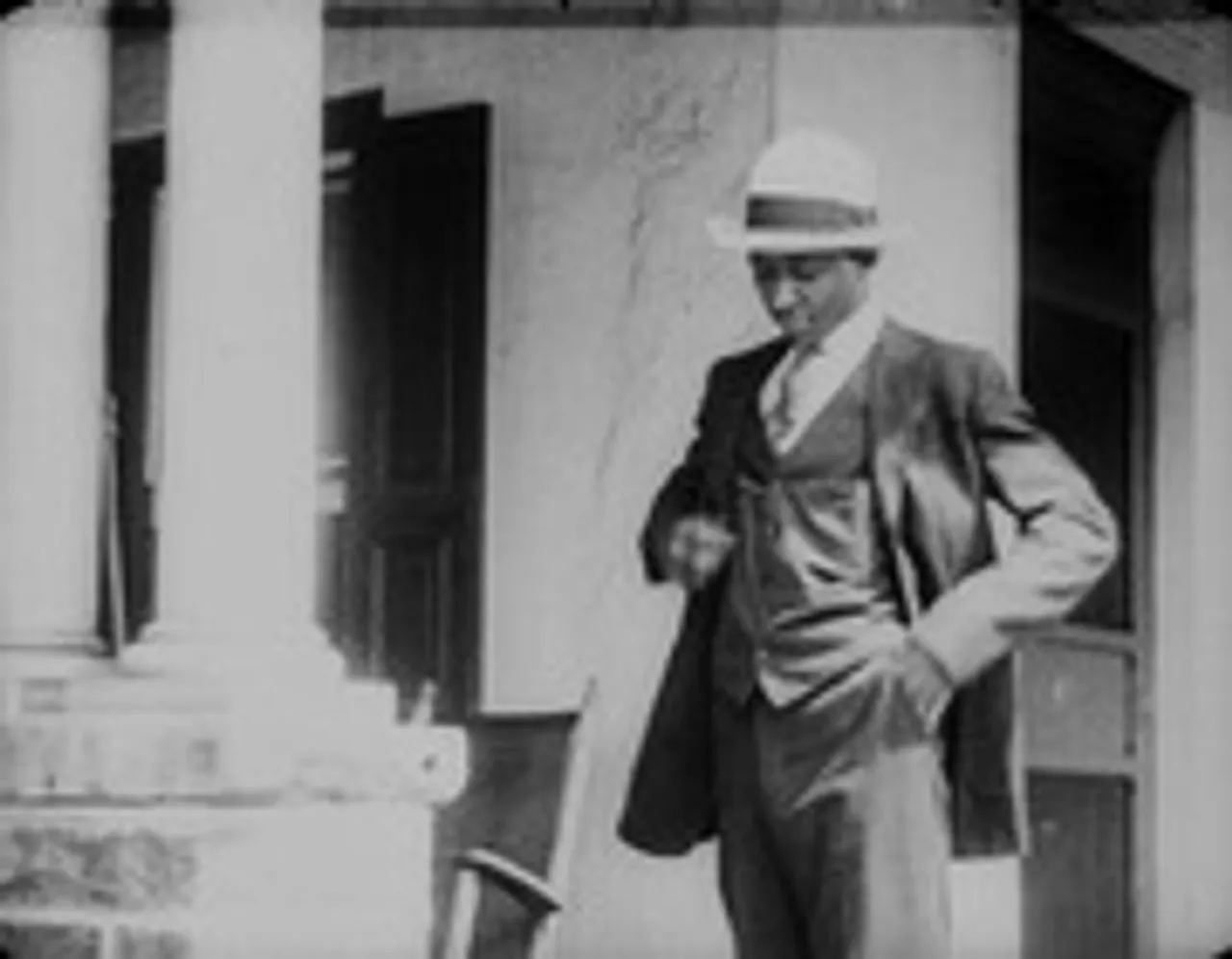
A mill owner is defrauded and slides into alcoholism at the local barroom, a spiral that leads to his daughter's death in a bar fight before he turns his life around and runs for mayor.
Ten Nights in a Barroom was produced by the Colored Players Film Corporation with an all-Black cast adapting the classic 1854 temperance novel, and it survives as one of only two of the studio’s four features known to exist today. It was added to the National Film Registry in 2025.
Background
Ten Nights in a Barroom is a 1926 silent drama directed by Roy Calnek and produced by the Colored Players Film Corporation, a Philadelphia-based studio headed by David Starkman with co-financier Louis Groner and comedian Sherman H. Dudley, working out of a studio at 58th Street and Haverford Avenue. It was the company’s second release, following A Prince of His Race (1926), and adapted the 1854 temperance novel of the same name with an all-Black cast led by Charles Gilpin and Lawrence Chenault. A mill owner, defrauded of his business, descends into alcoholism at the local barroom, a decline that leads to his daughter’s death in a bar fight before he reforms and runs for mayor.
What to watch for
The film received its New York exhibition license in late December 1926 and played Harlem’s Grant Theatre that same month, drawing positive reviews during Prohibition for its temperance message delivered through a Black ensemble cast rather than the white casts usually associated with the genre. It survives today as one of only two of the Colored Players’ four features known to still exist, making it a rare physical record of a studio that was otherwise largely lost. The Library of Congress added it to the National Film Registry in 2025.