Perversion for Profit (1963)
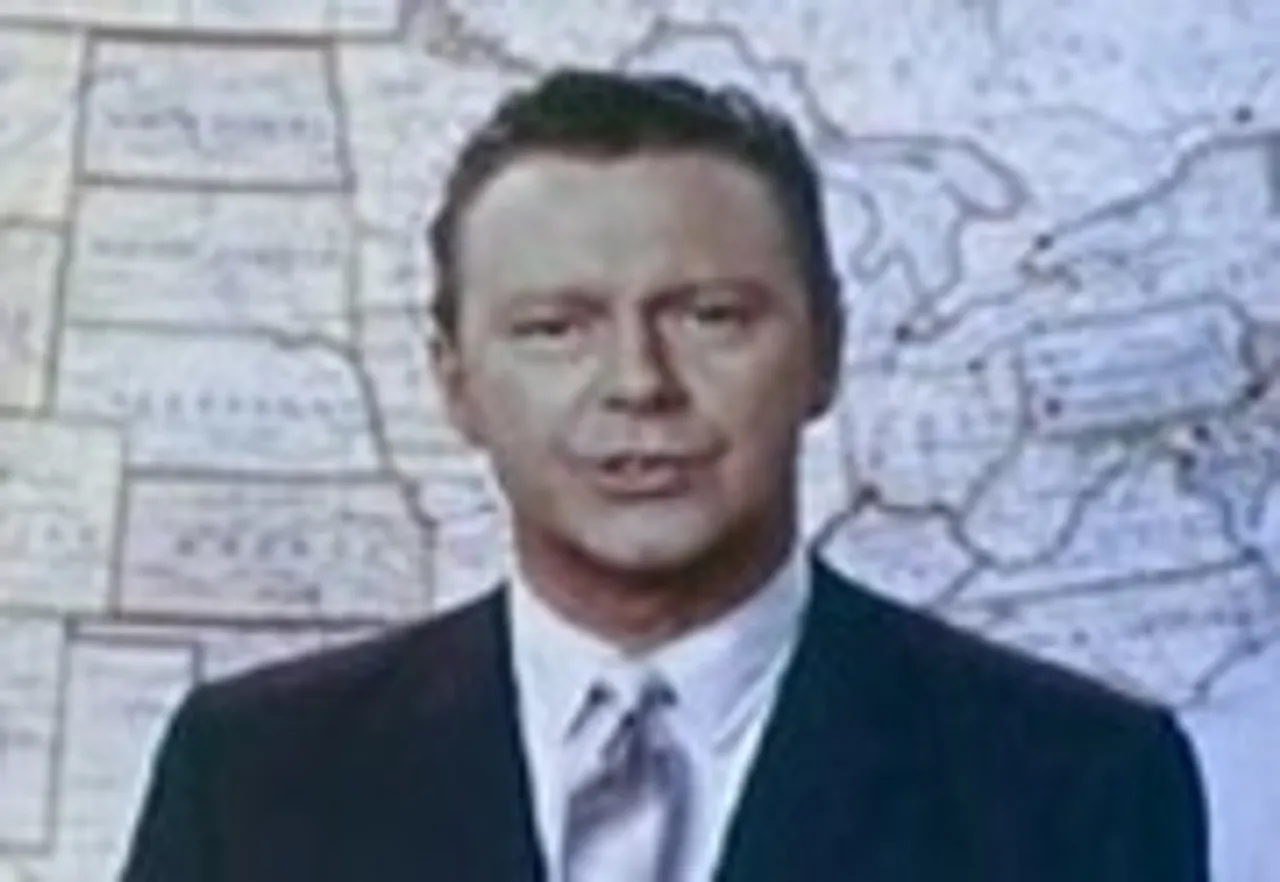
News anchor George Putnam narrates a tour of newsstand pornography, erotic paperbacks, and fetish imagery, arguing that exposure to such material corrupts young minds and drives a rise in sexual violence and 'perverted' attitudes toward sexuality, homosexuality included.
Financed by Charles Keating’s Citizens for Decent Literature, Perversion for Profit was intended as anti-obscenity advocacy but has been reassessed by historians like Peter L. Stein as, in his words, “shrill and sometimes comical” — and, per archivist Rick Prelinger, as an inadvertently rich visual record of midcentury underground print culture; it was for years the second-most-downloaded title in the Prelinger Archives.
Background
Perversion for Profit is a 1963 Eastmancolor film financed by the Citizens for Decent Literature, an anti-obscenity group backed by Charles Keating. News anchor George Putnam narrates a tour through newsstand racks of erotic paperbacks, pinup magazines, and fetish photography, arguing that this material was corrupting young readers and fueling a rise in sexual violence and attitudes the film labels perverted, homosexuality included. It was produced and circulated as advocacy material aimed at legislators and civic groups rather than at general theatrical audiences.
What to watch for
Modern critics have mostly inverted the film’s intent. San Francisco Chronicle writer Peter L. Stein called it ‘shrill and sometimes comical’ in a 2003 review, and archivist Rick Prelinger has noted that it now functions as an unusually rich, if hostile, visual catalogue of midcentury American pornography and underground print culture that would otherwise be hard to document. Freed of copyright by lack of renewal, it became one of the most-downloaded titles on the Prelinger Archives site and has circulated widely on YouTube, watched today largely as a curiosity about Cold War-era moral panic rather than as the warning it was designed to be.