It (1927)
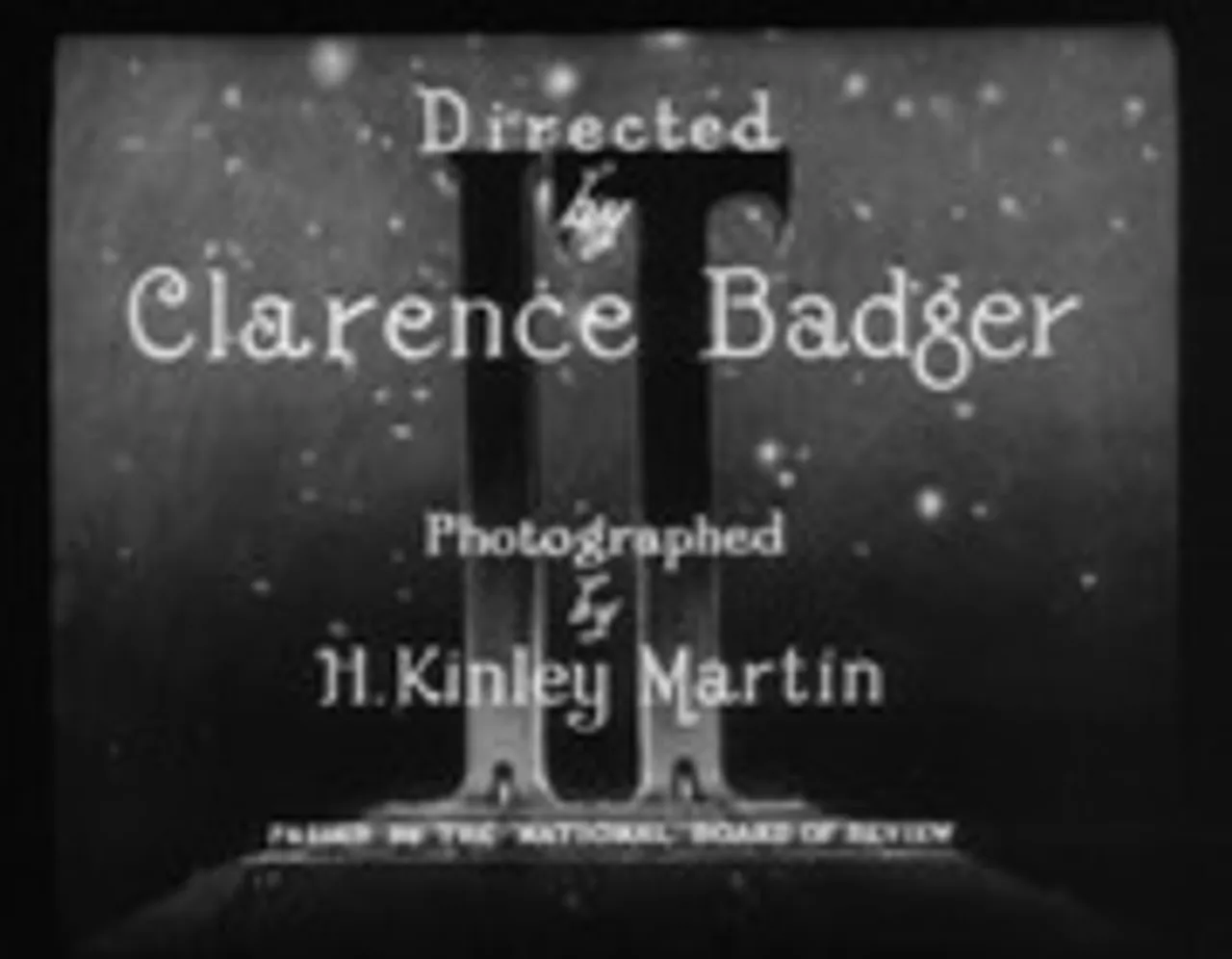
Department-store shopgirl Betty Lou Spence sets her sights on her handsome, wealthy boss, and after a mix-up over a friend's baby nearly wrecks her chances, she crashes his yacht party to win him over on her own terms.
It made Clara Bow the defining flapper of the Jazz Age and popularized “It” as shorthand for raw personal magnetism, a term drawn from the writing of Elinor Glyn, the film’s credited source author, who appears on screen to explain the concept herself.
Background
It made Clara Bow the defining screen symbol of the 1920s flapper and gave lasting currency to the term “It girl” as shorthand for effortless personal magnetism. The word “It” itself came from the writing of Elinor Glyn, a popular novelist of the period who is credited as the story’s source and who appears briefly on screen to explain the concept to the audience directly. The plot follows a department-store shopgirl who sets her sights on her wealthy boss and wins him over through charm rather than social standing.
What to watch for
Watch for Bow’s performance, which carries the film almost entirely on her energy and screen presence, and for how directly the film ties its romantic plot to the marketing concept built around her stardom, a fairly early example of a film built to sell its star’s persona as much as its story. It remains the film most strongly associated with Bow’s brief but influential reign as one of the biggest stars of the silent era.