Harakiri (1919)
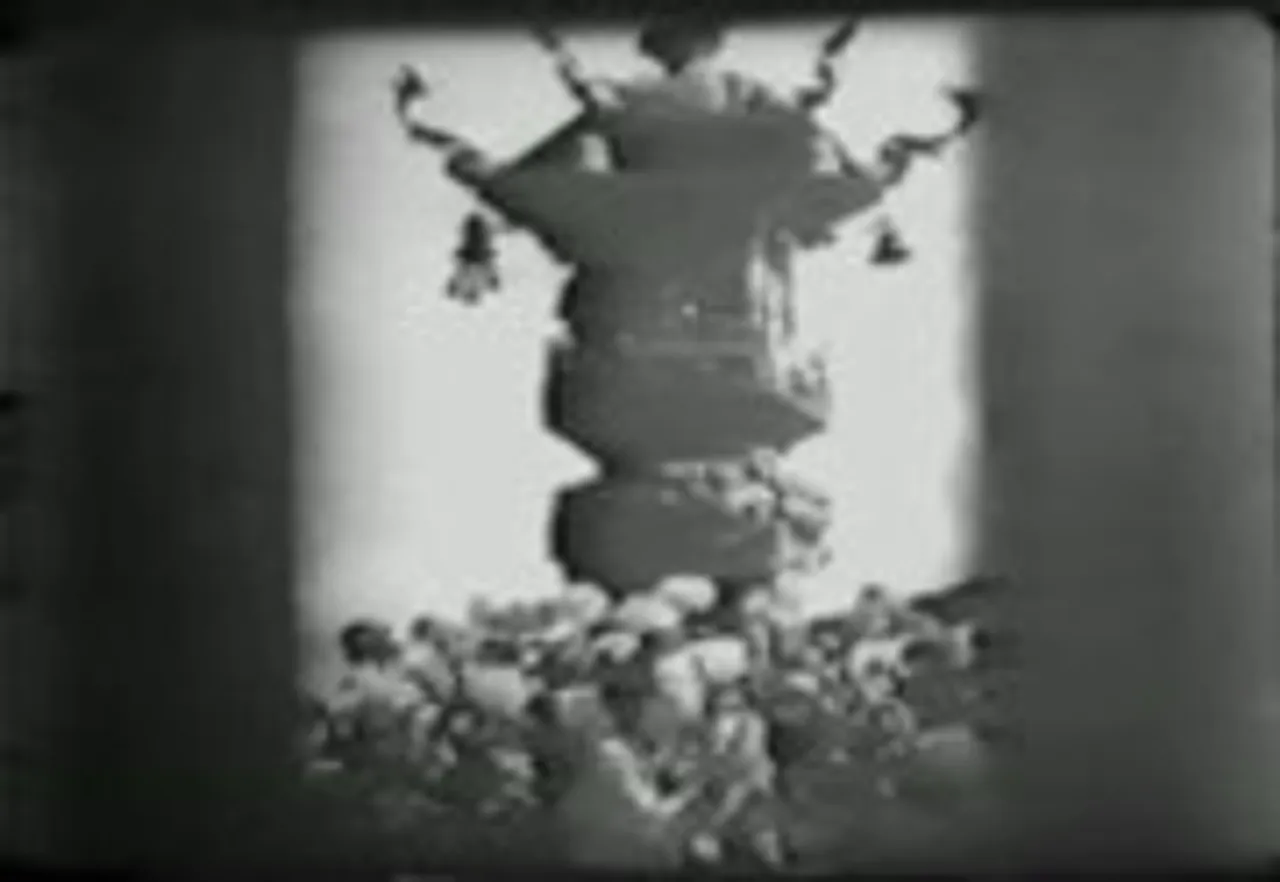
In Nagasaki, a young woman becomes a geisha and enters a temporary marriage with a Danish naval officer who promises to return for her. When he instead marries at home and word comes for their child to be surrendered to the state, she takes her own life rather than give the boy up.
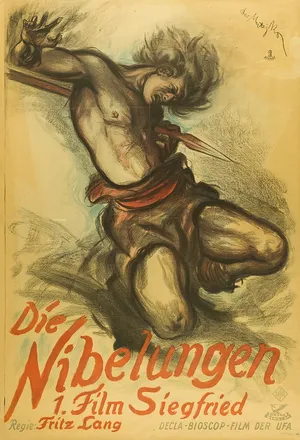
Made before Fritz Lang had found the visual language of Die Nibelungen or Metropolis, Harakiri retells the same doomed-geisha story Puccini had already set to music in Madama Butterfly, and stands as one of the earliest European films to attempt, however loosely, a Japanese setting and cast of characters.
Background
Harakiri was directed by Fritz Lang in 1919 and stars Lil Dagover as a young woman in Nagasaki who becomes a geisha. The film was made in Germany and set in a Japanese port city, and its plot centers on a temporary marriage to a Danish naval officer. The story is close to Puccini’s Madama Butterfly, which had already been staged in Europe and America. The film is one of Lang’s early works, made before he developed the monumental visual style of Die Nibelungen and Metropolis.
What to watch for
The film is a tragedy of abandonment. Watch the geisha’s temporary marriage and the officer’s promise to return, which drive the plot toward its ending. The arrival of the demand that her child be surrendered to the state is the climax, and her final decision is shaped by that threat. The film’s Japanese locations and costumes reflect European ideas of the period rather than documentary accuracy, so viewers should weigh its setting as a European interpretation. Lang’s handling of composition and space shows strengths he would develop in his later films.