Uncle Tom's Cabin (1914)
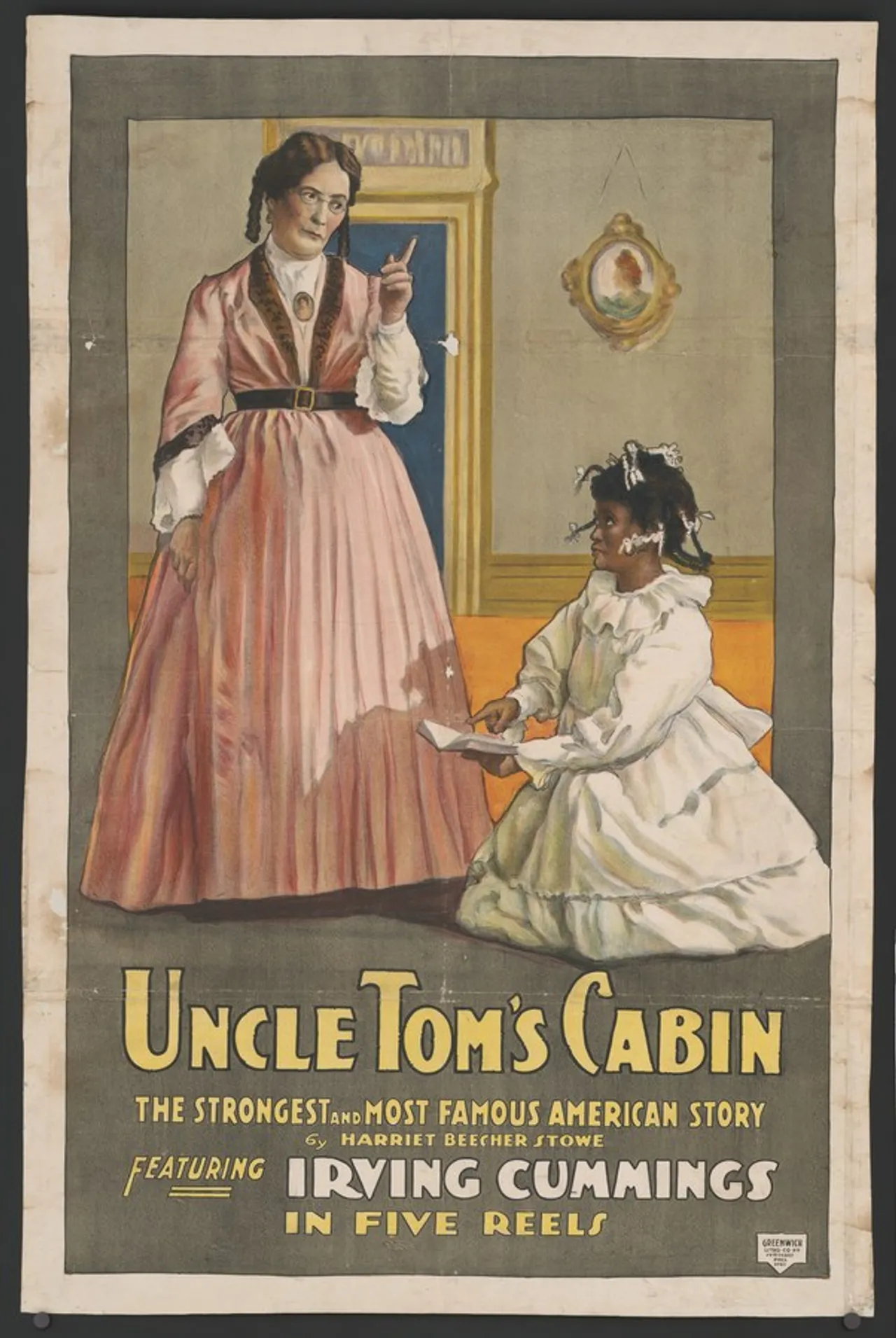
Adapted from Harriet Beecher Stowe's novel by way of George L. Aiken's stage version, the film follows the enslaved Uncle Tom and the people around him through the cruelties of the antebellum South, climaxing in his confrontation with the brutal overseer Simon Legree.
This World Film production of Uncle Tom’s Cabin — not to be confused with the better-known 1927 Universal remake — cast the Black stage veteran Sam Lucas in the title role, making it one of the earliest American films to give a Black actor its leading part rather than casting a white performer in blackface. It entered the National Film Registry in 2012.
Background
Uncle Tom’s Cabin (1914) is a World Film production directed by William Robert Daly. It is adapted from Harriet Beecher Stowe’s 1852 novel by way of George L. Aiken’s stage version, and it is not the better-known 1927 Universal remake. Sam Lucas, a Black stage actor, played the title role, which made him one of the earliest Black actors to lead an American film rather than being replaced by a white performer in blackface. The film was selected for the National Film Registry in 2012. Its story follows Uncle Tom and the people around him through the cruelties of the antebellum South, and it runs about fifty-four minutes.
What to watch for
Look for the film’s depiction of slavery and its cruelties, which the story presents through Uncle Tom’s experiences and his eventual confrontation with the overseer Simon Legree. The climax with Legree is the film’s central dramatic moment. The film is an early adaptation of a novel that shaped American views of slavery and was itself criticized for its stereotypes, so viewers should weigh the period’s racial imagery in its historical context. Notice how the film compresses a long novel into a short running time, leaving the emphasis on the key scenes of suffering and resistance. Sam Lucas’s leading performance is historically significant for the period in which it was made.