The Tramp (1915)
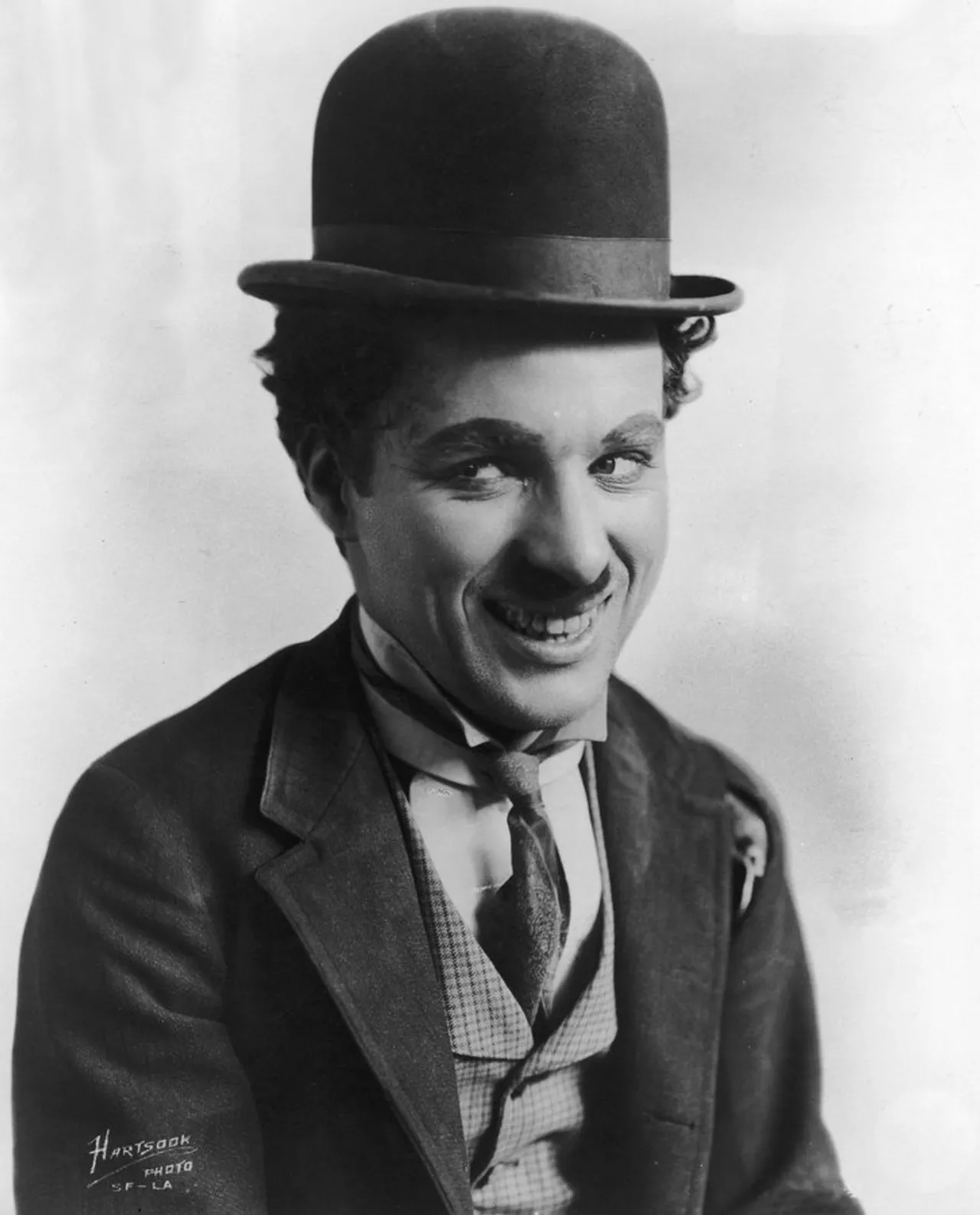
A wandering tramp rescues a farmer's daughter from robbers and takes work on her farm, falling for her before quietly stepping aside once he realizes her heart belongs to another man.
The Tramp gave Chaplin’s signature character its name for the first time and closed on an image he would reuse for the rest of his silent career: the lone figure shuffling away down a long road, an ending so effective that early audiences reportedly wrote in fearing the character had died.
Background
The Tramp gave Chaplin’s signature screen character its enduring name for the first time, cementing an identity that had been forming gradually across his earlier Keystone and Essanay shorts. Chaplin both wrote and directed the film, following the lone wanderer as he rescues a farmer’s daughter from robbers, takes work on her farm, and falls for her before quietly stepping aside once he realizes her affections belong to someone else.
What to watch for
Watch for the film’s closing shot, the solitary figure shuffling away alone down a long road, an image Chaplin would return to again and again at the end of his later films. The ending struck early audiences so forcefully that some reportedly wrote to Chaplin fearing the character had died, a reaction that shows how quickly and completely viewers had come to care about a figure who, by this point, had only existed on screen for about a year.