The Second Woman (1950)
Haunted by guilt after his fiancée's death in a car accident on the eve of their wedding, an architect becomes convinced he is cursed when a string of disasters strikes everyone around him, until a new love helps him uncover who is really responsible.
The Second Woman gives Robert Young, then still years from his television fame in Father Knows Best, a rare big-screen showcase as a man unraveling under a campaign of engineered misfortune; its Gaslight-indebted premise and modest budget have kept it obscure, but its unusually bleak view of suburban psychological cruelty has drawn some latter-day noir reappraisal.
Background
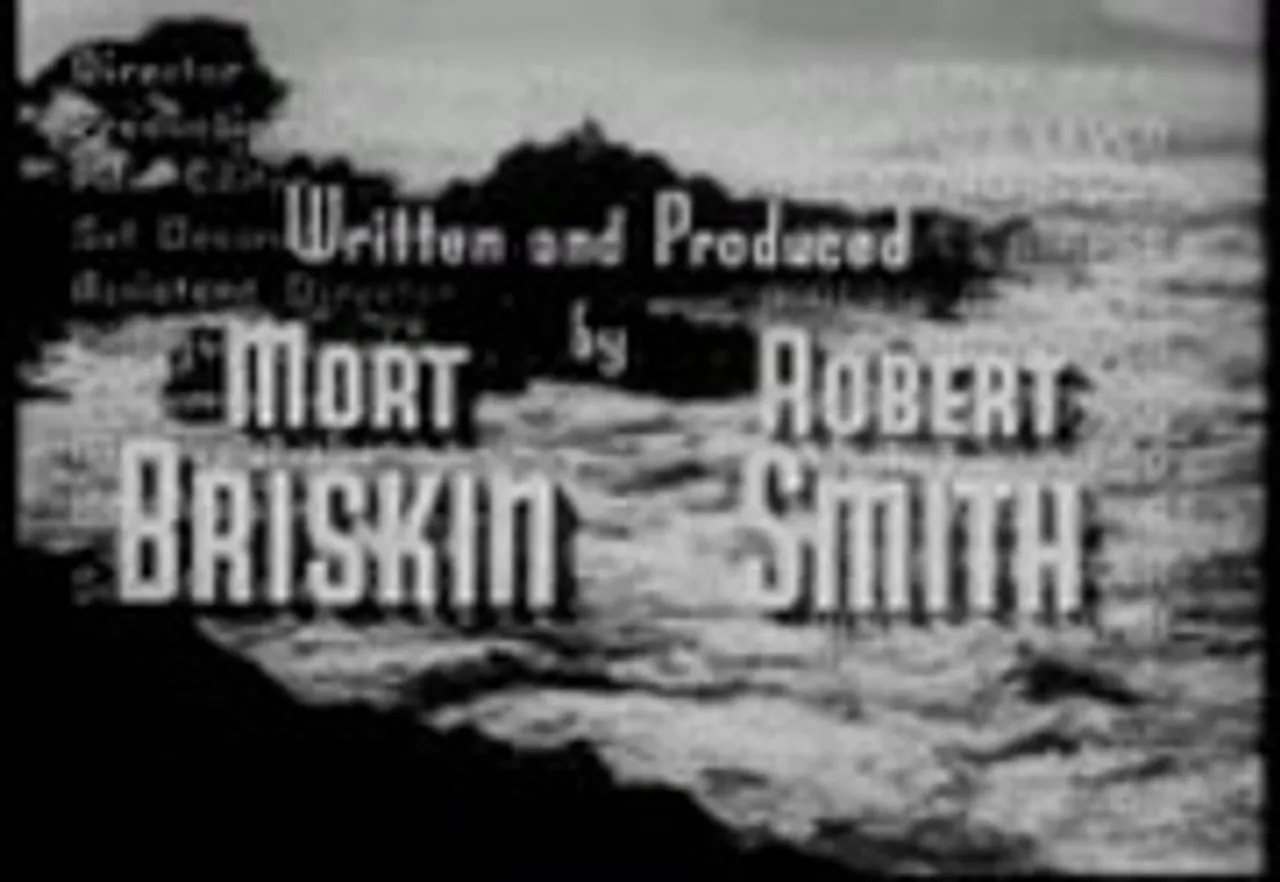
The Second Woman was written and produced by Mort Briskin and Robert Smith, directed by James V. Kern, and released through United Artists on July 7, 1950. Robert Young plays architect Jeff Cohalan, who blames himself for his fiancée Vivian’s death in a car accident the night before their wedding; Betsy Drake plays the woman who falls for him afterward, with John Sutton and Florence Bates rounding out the cast. Cinematographer Hal Mohr shot part of the production along the Monterey coast, using the area’s cliffside scenery for the house Cohalan designed for his bride-to-be.
What to watch for
The escalating bad luck around Cohalan is the film’s engine: first his horse is injured badly enough that he has to put it down, then his dog is poisoned, each incident pushing him further toward believing himself cursed. Because the pattern is too consistent to be chance, the film works as a slow-burn question of who is engineering it and why, in the vein of Gaslight’s domestic-persecution plots transplanted to a coastal architect’s circle rather than a Victorian townhouse. Hal Mohr’s Monterey location photography gives the modest production a scenic backdrop that outclasses its budget.