The Inspector General (1949)
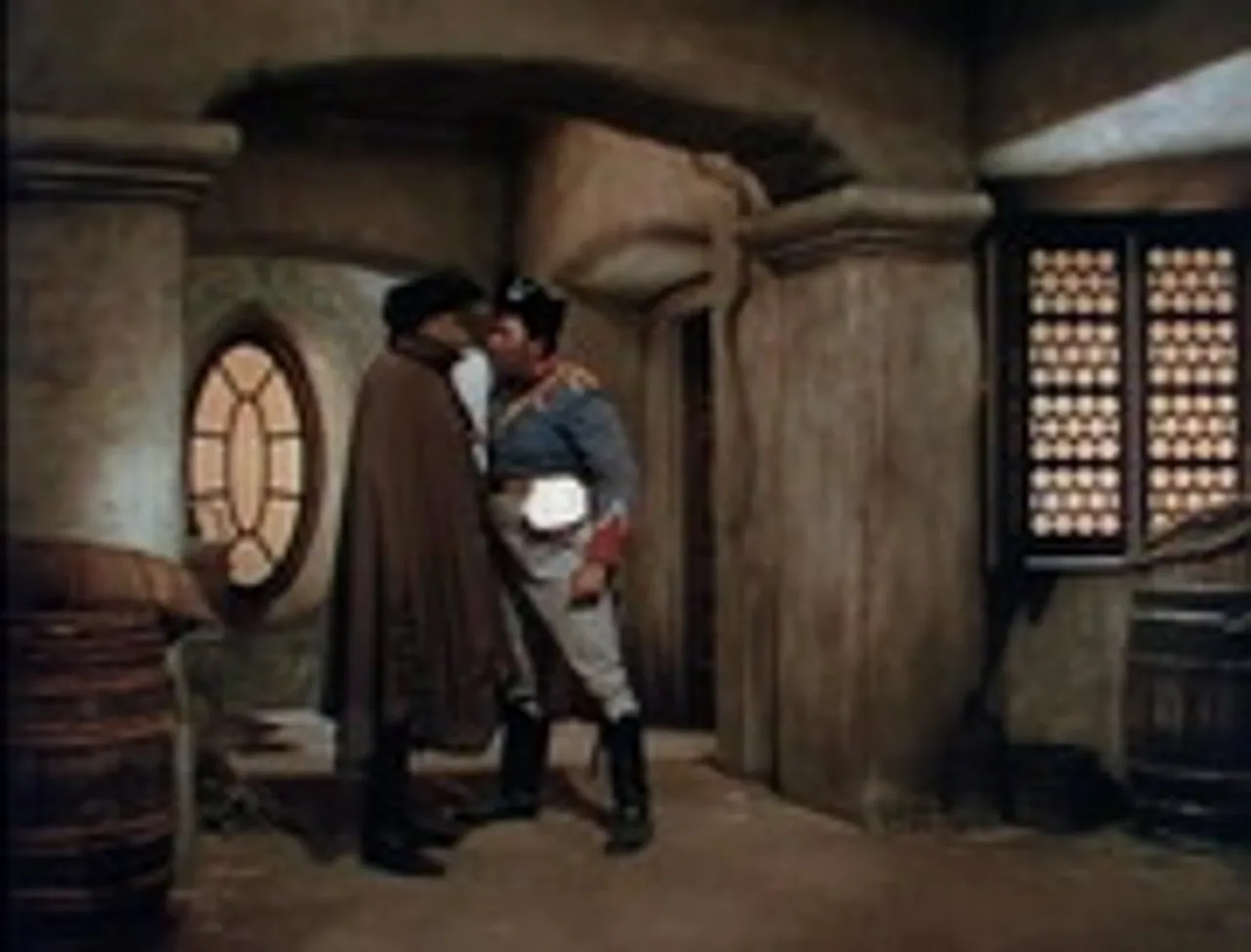
In a corrupt town in Napoleonic-era Europe, an illiterate carnival stooge is mistaken for the emperor's undercover inspector general. The panicked town council showers him with bribes and flattery while quietly plotting to poison him, and the impostor blunders his way into becoming an honest man.
A Technicolor musical vehicle for Danny Kaye, loosely derived from Gogol’s play, with songs by Kaye’s wife and regular writing partner Sylvia Fine. Released by Warner Bros., The Inspector General slipped out of copyright when the renewal was missed and has been a public-domain television staple ever since.
Background
The Inspector General is a Technicolor musical comedy starring Danny Kaye, released by Warner Bros. in 1949 and loosely based on Nikolai Gogol’s 1836 play The Government Inspector. Henry Koster directed, and the songs were written by Sylvia Fine, Kaye’s wife and frequent writing partner. The film is set in Napoleonic-era Europe and follows a carnival performer who is mistaken for an official inspector. Its copyright was not renewed, so it passed into the public domain in the United States, and it became a fixture of television schedules for years afterward. It remains one of the better-known public-domain comedies of the late 1940s.
What to watch for
Watch Kaye’s command of rapid-fire comic routines, which the film uses to carry much of its physical and verbal humor. The impostor is illiterate, and his panicked performance as a supposed official, along with the town council’s frantic bribes and flattery, supplies much of the comedy. The film also shows the bright Technicolor look of late-1940s studio musicals, with colorful costumes and staging made for theaters. Its running time of about 102 minutes makes it one of the longer entries on this list, and it rewards attention to Kaye’s musical numbers and his timing in the confrontations with the town’s officials.