The Good for Nothing (1914)
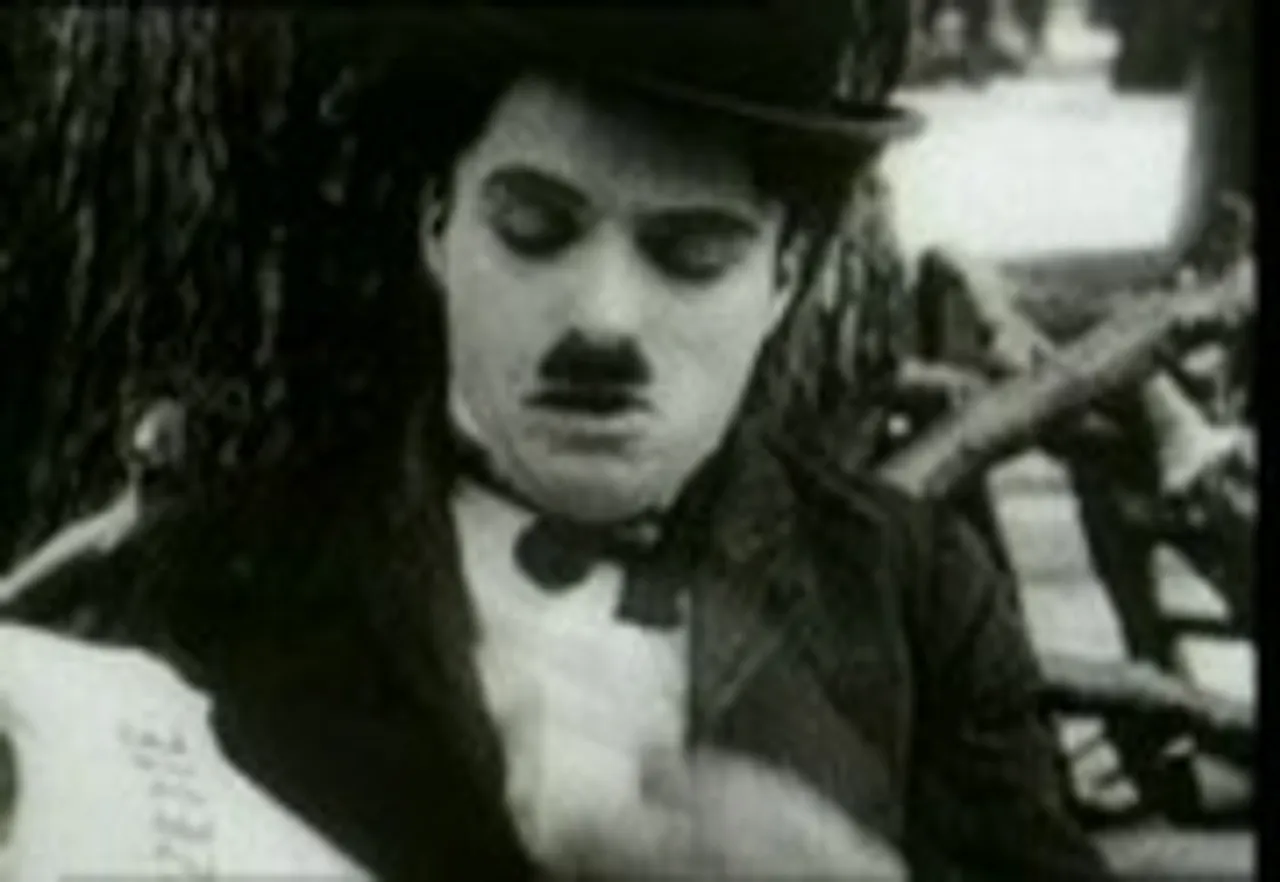
Hired to wheel a cranky invalid around a seaside boardwalk, the Tramp abandons his post to chase women and drink, sending his wheelchair-bound charge rolling into one hazard after another.
The Good for Nothing, also released as His New Profession, was Chaplin’s twenty-fifth film for Keystone in under eight months, a pace few studios have matched before or since; its dark streak of cruelty toward the helpless uncle is characteristic of Mack Sennett’s rougher brand of slapstick.
Background
The Good for Nothing, also released as His New Profession, is one of the one-reel comedies Charlie Chaplin made for Mack Sennett’s Keystone company in 1914. Chaplin appears as the Tramp, the costumed character he had settled into that year, and as was usual at Keystone he also directed the film. Roscoe Arbuckle, one of the studio’s biggest comedians, appears in the cast alongside Charley Chase. Like most Keystone shorts of the period it was produced at a rapid pace, and the film is in the public domain because its copyright term has expired. It shows the rougher, more anarchic slapstick that defined Sennett’s house style.
What to watch for
Watch the wheelchair. The Tramp is hired to push a cranky invalid around a seaside boardwalk, and he abandons the job to chase women and drink, which sends the chair careening into one mishap after another. The slapstick is physical and often cruel, particularly toward the helpless figure in the chair, which is typical of Keystone comedy and worth noticing when comparing it with Chaplin’s later, warmer films. The gags depend on precise timing and the chair’s movement across the boardwalk. Its brisk running time of about fourteen minutes shows the pace Chaplin was working at during his early Keystone period.