Signal 30 (1959)
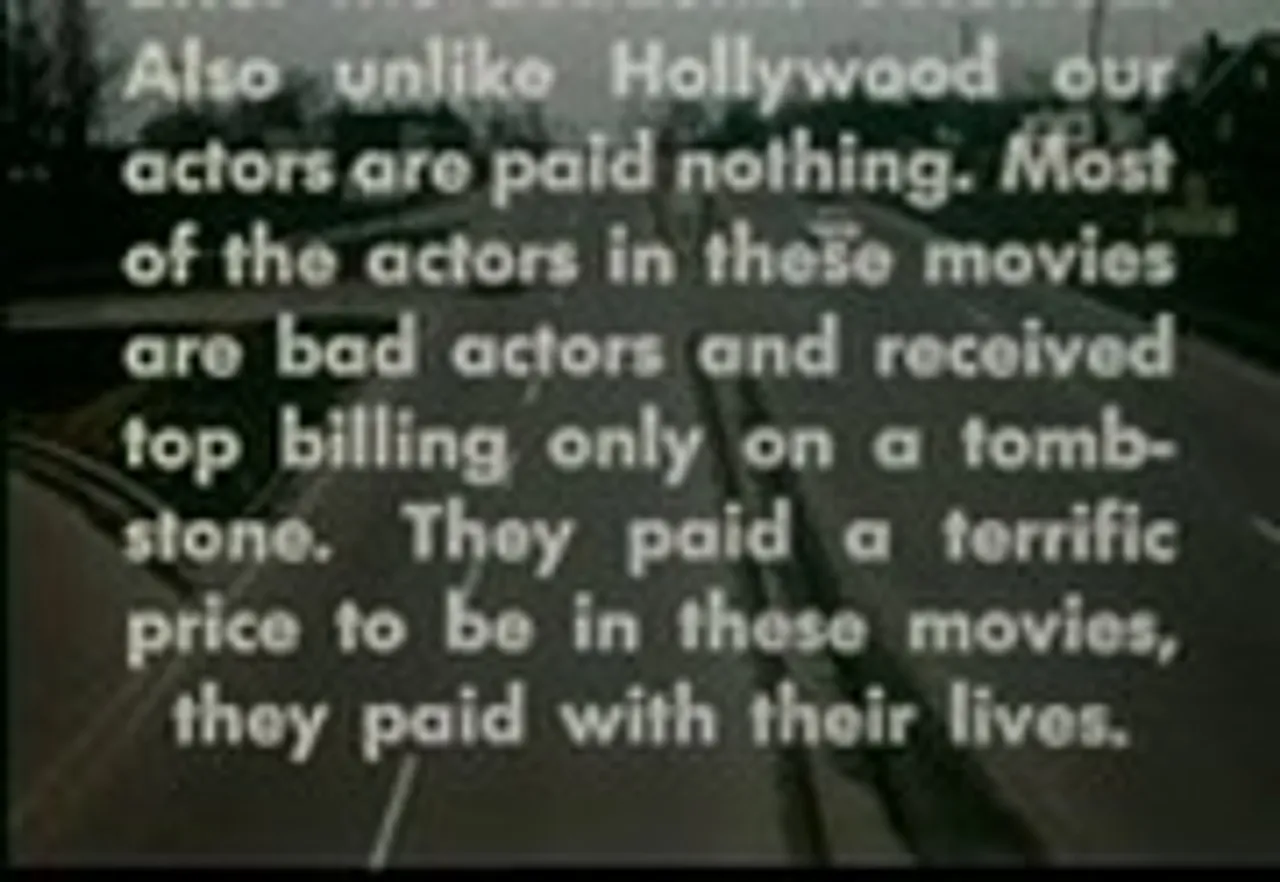
Composed largely of real footage and photographs from fatal Ohio car crashes, the film confronts driver's-education students directly with mangled wreckage and injured victims, using shock rather than statistics to argue for careful driving.
Produced by the nonprofit Highway Safety Foundation with the Ohio State Highway Patrol and named for the police radio code for a fatal accident, Signal 30 was screened in American high schools for two decades and spawned sequels including Mechanized Death and Wheels of Tragedy. Its unflinching use of real carnage made it a landmark of the shock driver’s-ed subgenre, later referenced everywhere from Mad Men to a Public Service Broadcasting song.
Background
Signal 30 is a 1959 driver’s-education film produced by the nonprofit Highway Safety Foundation with the Ohio State Highway Patrol, shot in and around Mansfield, Ohio. Producer Richard Wayman and narrator Wayne Byers built the film around real photographs and footage from fatal Ohio car crashes, including injured and dismembered victims, rather than staged dramatizations or statistics. Its title refers to the police radio code used for a fatal traffic accident. Despite the graphic content, or perhaps because of the attention it drew, the film won a National Safety Council Award and was screened in American high school driver’s-ed classes for roughly two decades.
What to watch for
The film’s shock approach spawned two sequels, Mechanized Death and Wheels of Tragedy, and helped establish an entire subgenre of gruesome driver’s-education shorts shown to generations of American teenagers. Its notoriety has outlived its original classroom purpose: the film has since been referenced in the television series Mad Men and sampled by the band Public Service Broadcasting, and it continues to circulate as an example of how mid-century safety campaigns used real human wreckage, rather than persuasion, to make their point.