Shoes (1916)
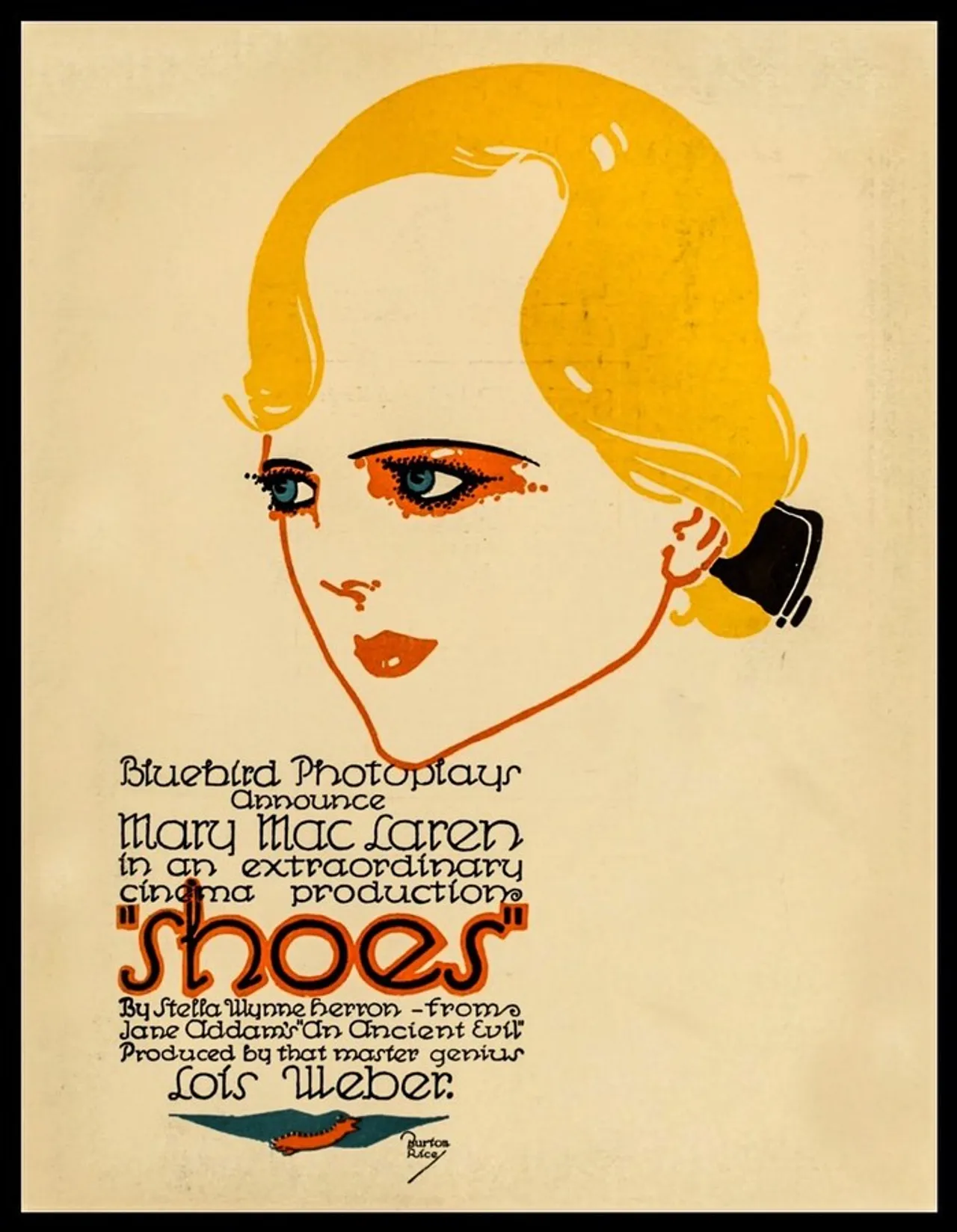
Eva, a five-and-dime shopgirl, hands her whole wage to a family no one else supports while her only pair of shoes falls apart in the rain. Worn down by need, she finally accepts a night out with a man who will pay for it, and buys the shoes the morning her father lands work at last.
Lois Weber adapted a social-work case study into Shoes, arguing without melodrama that poverty wages, not weak character, push women toward transactional sex. One of the few surviving features by the most prominent woman director of the 1910s, it was selected for the National Film Registry.
Background
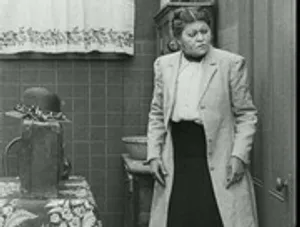
Lois Weber directed and co-wrote Shoes, a 1916 silent drama that followed her interest in the lives of working women and the poor. Mary MacLaren plays Eva, a shopgirl in a five-and-dime store who hands her wages to a family no one else will support, while her only pair of shoes falls apart in the rain. Weber was one of the few women directing feature films in the American industry at the time, and her social dramas were among the most discussed films of the 1910s. The film runs about an hour.
What to watch for
Pay attention to the way the film makes its argument through the heroine’s everyday needs, showing how small expenses become serious hardships. The rain and the failing shoes give the story a concrete image of poverty that the film returns to repeatedly. The final act turns on Eva’s decision to accept an offer of money from a man, which the film treats as a moral crisis rather than a plot twist. Weber’s staging is direct, with the emphasis on the heroine’s face and body. The film is worth watching as an example of how American silent cinema addressed economic pressure on women.