Poor Cinderella (1934)
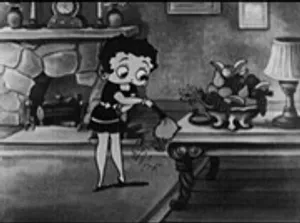
Betty Boop plays the put-upon stepdaughter of fairy-tale tradition, transformed by her fairy godmother for a night at the prince's ball, and identified afterward when the glass slipper she left behind fits no one else.
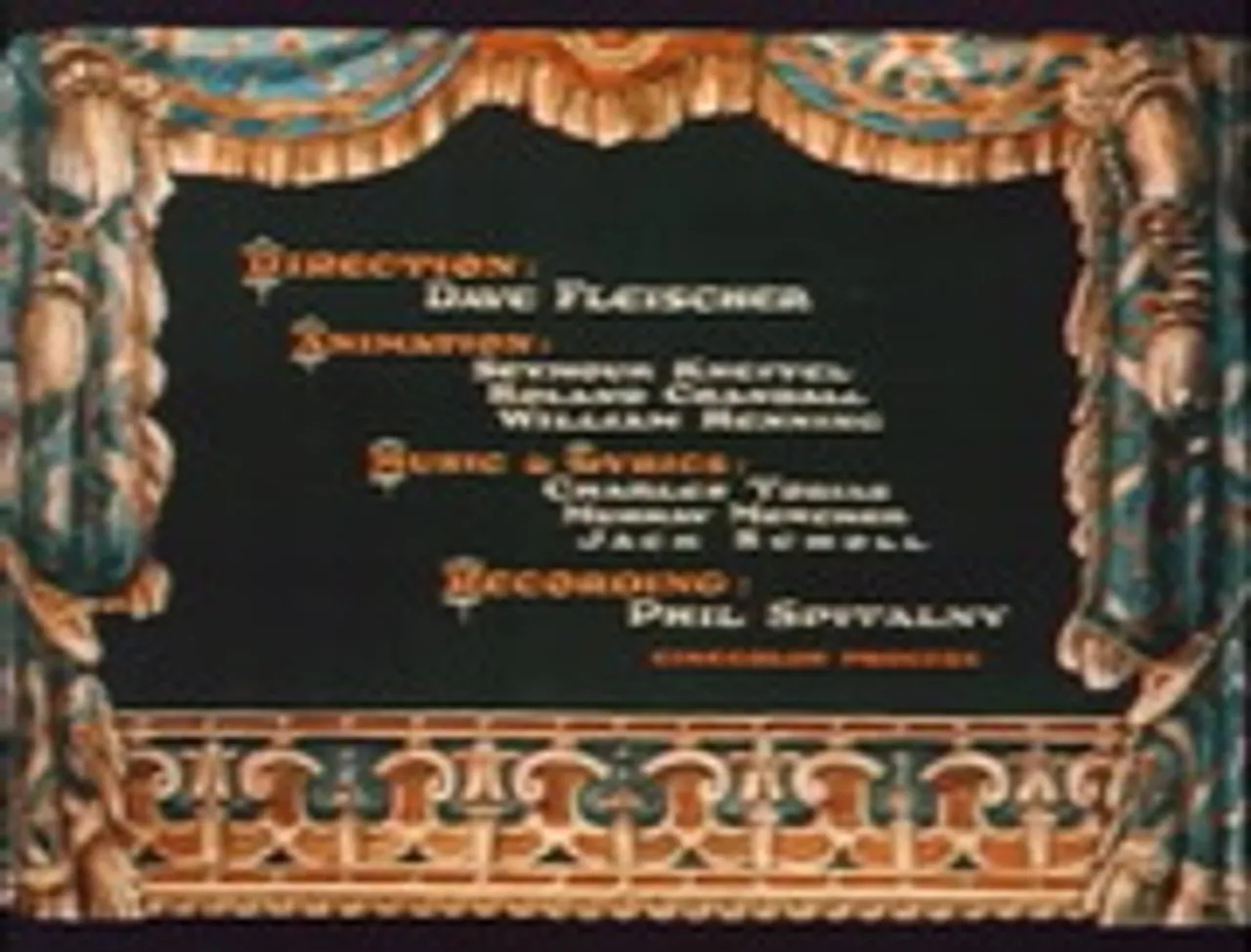
Poor Cinderella was Fleischer Studios’ first color production and the only time Betty Boop ever appeared in color during her original run, shot in two-strip Cinecolor while Disney held exclusive rights to three-strip Technicolor.
Background
Poor Cinderella was Fleischer Studios’ first production in color, and the only time their star character Betty Boop ever appeared in color during her original theatrical run. It was shot using the two-strip Cinecolor process rather than the three-strip Technicolor that Walt Disney held exclusive rights to at the time, which gives the film a distinctive, somewhat muted color palette compared to later fully-Technicolor cartoons. The story adapts the traditional Cinderella fairy tale, with Betty Boop in the title role.
What to watch for
Watch for how the character’s usual flapper-era design and mannerisms are adapted into a fairy-tale setting, and for the limitations and particular look of the Cinecolor process itself, which is quite different from the Technicolor audiences would later come to associate with classic animation. The film offers a useful point of comparison with Disney’s own fairy-tale adaptations of the period, made with access to a more advanced color technology that Fleischer Studios did not have.