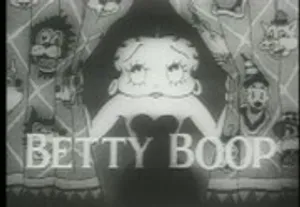
Betty in Blunderland (1934)
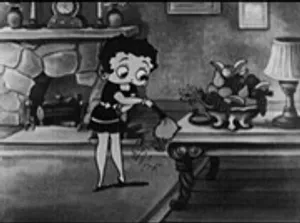
Dozing off over an Alice in Wonderland jigsaw puzzle, Betty Boop dreams her way into the picture, disguises herself as Alice to sing for Wonderland's residents, and has to be rescued after the Jabberwock carries her off.
Betty in Blunderland is one of several Fleischer cartoons built around a dream-logic tour of a public-domain literary world, letting the studio’s rubber-hose animators loose on Lewis Carroll’s imagery decades before Disney’s own version.
Background
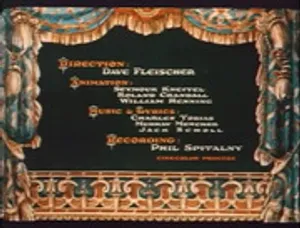
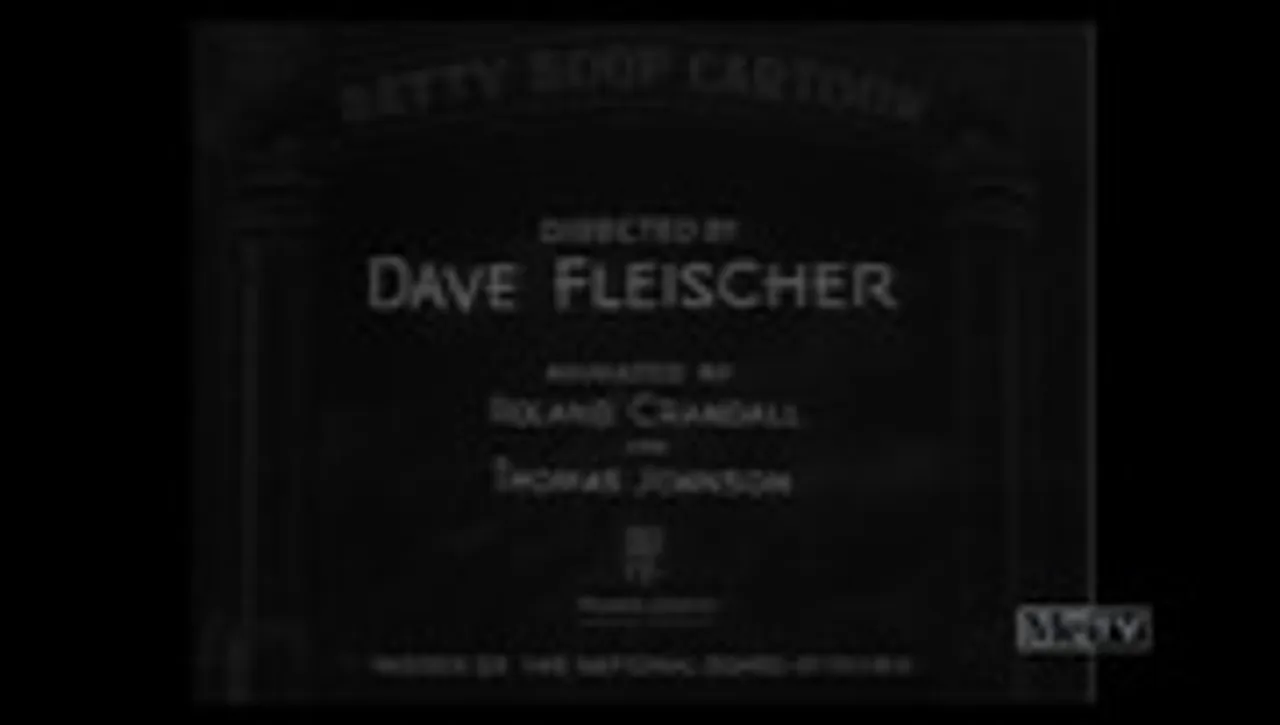
Released April 6, 1934, Betty in Blunderland sends Betty Boop into a dream built from Lewis Carroll’s Alice’s Adventures in Wonderland and Through the Looking-Glass, after she falls asleep over a Wonderland jigsaw puzzle on her living room floor. Bonnie Poe voiced Betty for this short, with animation by Roland Crandall and Thomas Johnson, and the production is notable within the series for giving Betty long hair, the only Fleischer cartoon to do so, once she takes on an Alice-like disguise inside the dream.
What to watch for
Betty follows the March Hare’s detached head through a mirror and into Wonderland, where she performs musical numbers for its residents before the Jabberwock, rendered with the same rubber-hose fluidity Fleischer animators brought to their other monsters, carries her off and has to be fought off. The short is one of several Fleischer cartoons from the period built around a dream-logic tour of public-domain literary material, letting the studio’s animators loose on Carroll’s imagery nearly three decades before Disney released its own Alice in Wonderland. The sustained disguise, Betty as a long-haired Alice rather than her usual self, is unusual enough in the series to stand out even apart from the Wonderland setting.