Penny Serenade (1941)
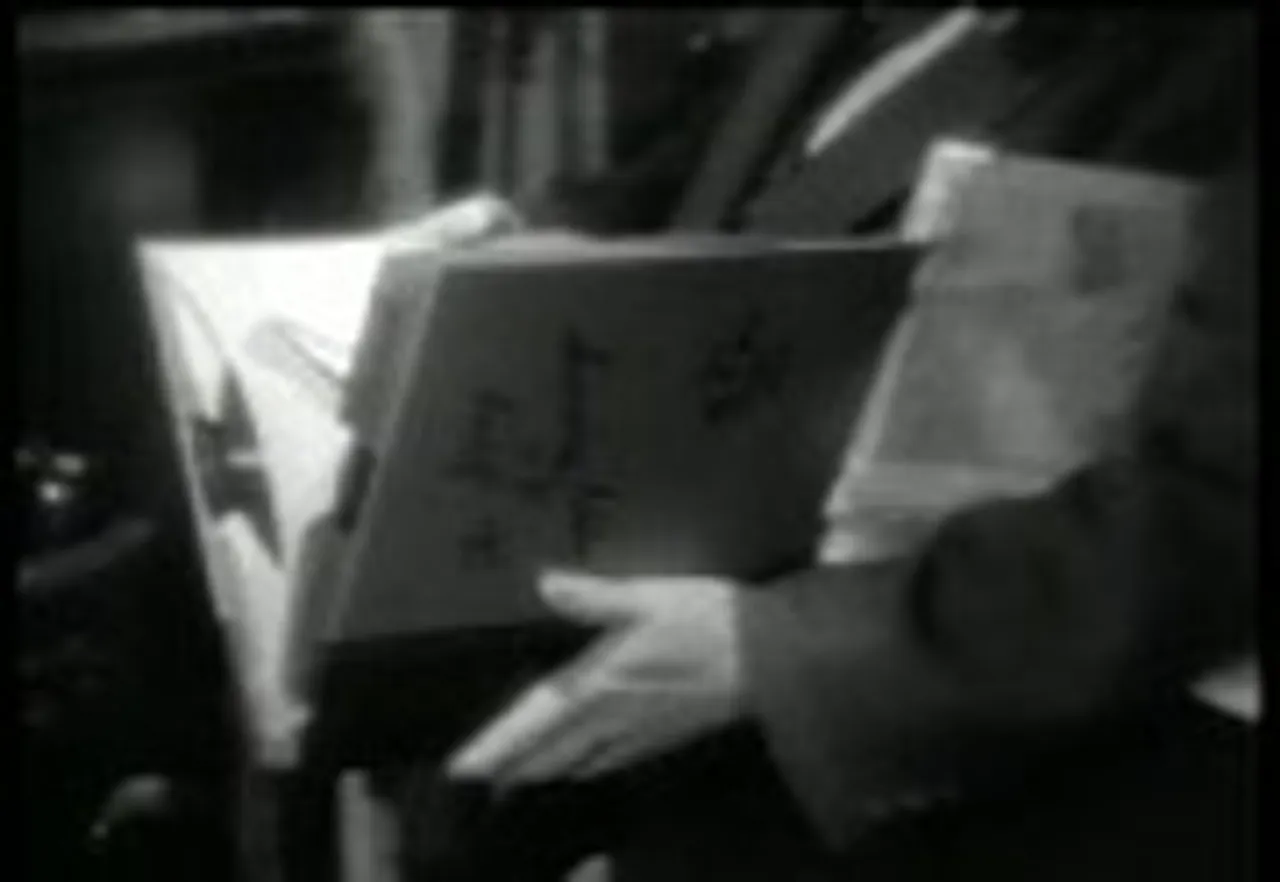
Told largely in flashback through a stack of old records, a couple recalls the courtship, miscarriage, and adoption struggles that shaped their marriage, as a sudden crisis threatens to take their daughter away from them.
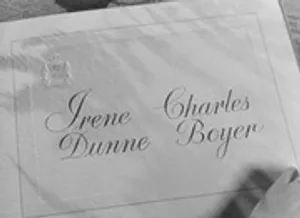
Penny Serenade paired Cary Grant and Irene Dunne for the third of four films together, and its wrenching middle stretch earned Grant his first Academy Award nomination — a rare dramatic showcase for an actor then best known for screwball comedy.
Background
Penny Serenade paired Cary Grant and Irene Dunne, who appeared together in several films. George Stevens directed, and Beulah Bondi and Edgar Buchanan are in the cast. The film earned Grant his first Academy Award nomination, for Best Actor, a notable achievement for an actor then best known for screwball comedy. Much of the story is told in flashback, framed around a stack of old records.
What to watch for
The film moves between the present and the couple’s past, with the records serving as the connecting device. Watch the transitions between the courtship, a miscarriage and the struggle to adopt a child. These scenes are quieter and more restrained than the couple’s comic early exchanges. Grant’s performance is the emotional center, and the middle section, where his character’s grief becomes the focus, is the stretch most often discussed. The film uses the records and their songs to mark time, so sound and music carry the emotional progression. The late crisis, a threat to the adoption, brings the story back to the present. The film is a melodrama that asks viewers to stay with the couple through a long stretch of grief.