Inner Sanctum (1948)
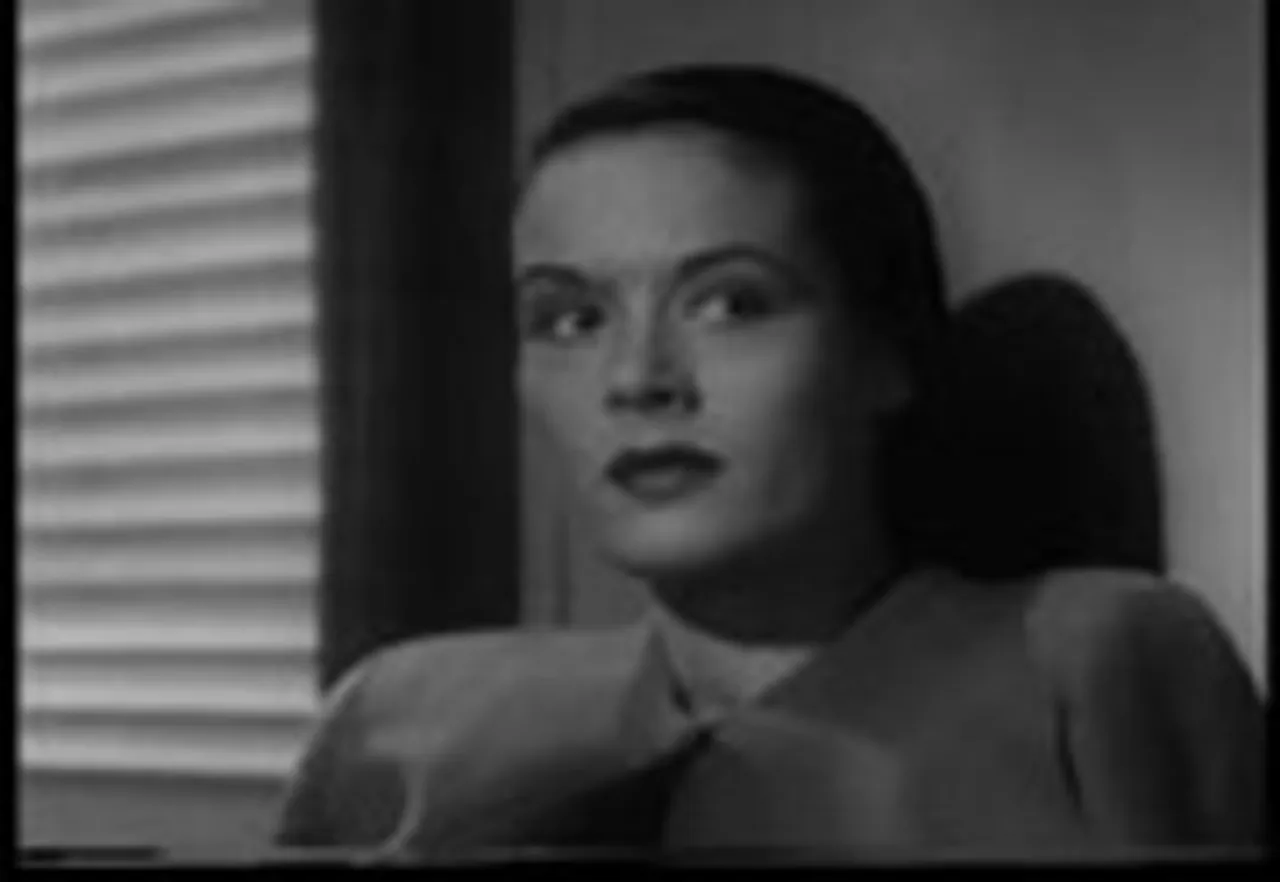
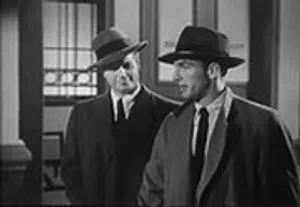
A fugitive hiding out in a small town after killing a woman at a train station takes a room in a boardinghouse, where the landlady's watchful young son grows suspicious of him. Framed as a tale told by a mysterious stranger to fellow train passengers, the story builds toward a twist that turns their own journey into another crime scene.
Loosely spun off from the popular Inner Sanctum Mysteries radio program and its arch, creaking-door introductions, Inner Sanctum swaps the radio show’s horror-host trappings for a lean fugitive-on-the-run mystery, one of several low-budget programmers built around the brand’s name recognition alone.
Background
Directed by Lew Landers for the independent M.R.S. Productions and released October 15, 1948, Inner Sanctum borrows its title and brand recognition from the Simon & Schuster book series and radio program of the same name, rather than continuing Universal’s earlier Inner Sanctum Mysteries film series, which had ended in 1945. Charles Russell plays Harold Dunlap, a man who accidentally kills a woman during a violent argument on a train station platform, then goes into hiding at a boardinghouse, where a young woman, Jean Maxwell (Mary Beth Hughes), and the landlady’s watchful young son both grow suspicious of him.
What to watch for
The frame device bookending the story is worth tracking: the film opens and closes on a train, where a mysterious stranger tells the whole tale to a fellow passenger, a device the radio series used constantly for its horror-host introductions. The twist is that the listener turns out to be Dunlap’s own wife, and the stranger’s warning not to get off and meet her husband gives the ending a darker charge than the fairly standard fugitive-drama middle section suggests. It plays as a lean, low-budget programmer rather than a horror picture proper, worth watching mainly for how efficiently it reroutes a radio brand’s name recognition into straightforward crime melodrama.