Haxan (Witchcraft Through the Ages) (1922)
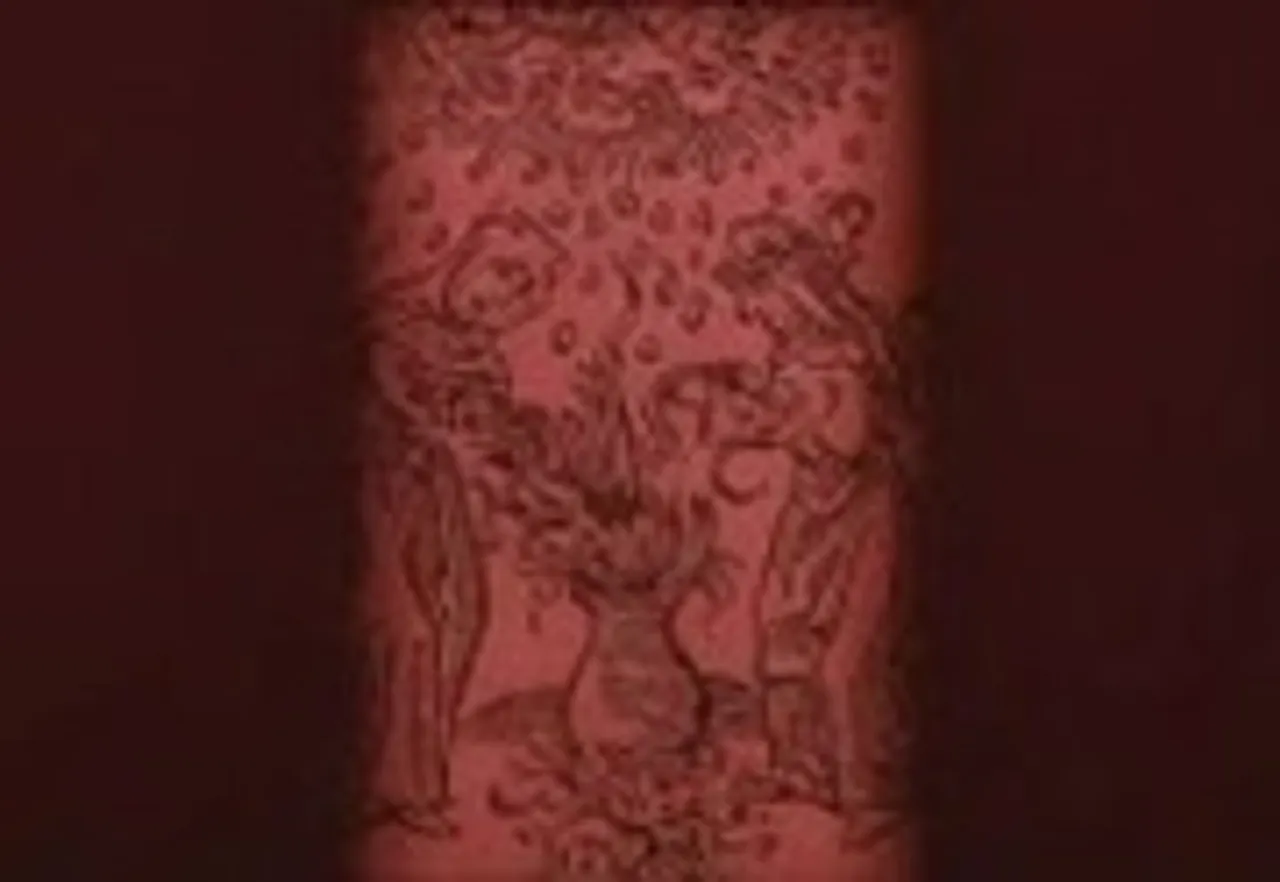
A pseudo-documentary tour through centuries of witchcraft belief, staging medieval woodcuts, demonic sabbaths, and inquisitorial torture chambers before arguing that the accused witches of old were likely sufferers of misunderstood nervous disorders, not agents of Satan.
Häxan was, at roughly two million kronor, the most expensive Scandinavian silent film ever made, and Benjamin Christensen spent it on stop-motion devils, superimposed ghouls, and a startling amount of nudity and torture for 1922 — enough that it was banned or heavily cut in several countries on release. Its hybrid of lecture and horror show has since made it a touchstone for documentary filmmakers as much as for genre ones.
Background
Haxan was written and directed by Benjamin Christensen and released in 1922. It is a Danish-Swedish production made as a pseudo-documentary survey of witchcraft through the centuries, with woodcut-inspired sequences and staged torture scenes. The film was reportedly among the most expensive Scandinavian silent productions of its time. It was banned or heavily cut in several countries on release because of its depictions of nudity and torture, and its hybrid of lecture and horror has been widely cited by documentary and genre filmmakers since.
What to watch for
The film is built in chapters, with intertitles and a lecture-style structure framing the history, and each section staging a historical belief. Watch the stop-motion devils and the superimposed images of ghouls, which give the film its supernatural imagery. The interrogation and torture scenes are its most disturbing material, staged with a clinical attention that is part of its argument. The final section turns toward the claim that accused witches may have suffered from nervous disorders rather than diabolical influence. This surviving version is the silent original, not the 1968 cut narrated by William S. Burroughs, which is a separate version.