Aladdin and His Wonderful Lamp (1939)
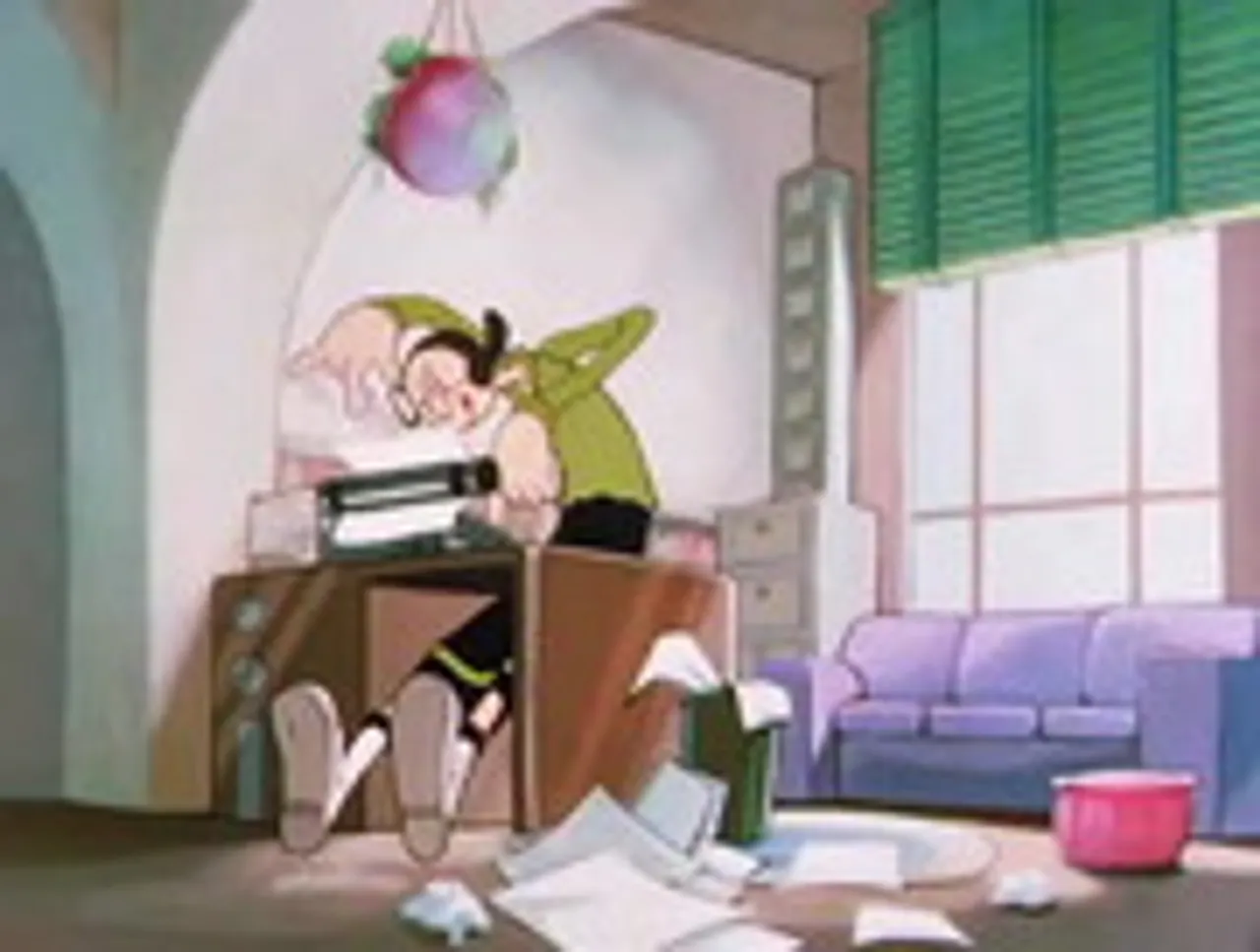
In this two-reel Technicolor special, Popeye reads the tale of Aladdin aloud and imagines himself in the title role: a poor boy who recovers a magic lamp for a scheming vizier, frees the genie inside, and uses its power to rescue Princess Olive Oyl from the palace.
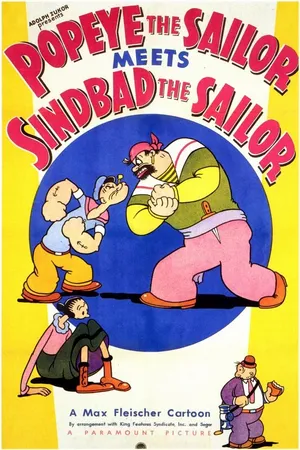
The third and last of Fleischer Studios’ Popeye “Color Specials,” after Popeye Meets Sindbad the Sailor (1936) and Popeye Meets Ali Baba’s Forty Thieves (1937). Aladdin and His Wonderful Lamp appeared as the studio was relocating from New York to Florida and turning toward feature work, ending the lavish two-reel experiment that had briefly answered Disney’s color shorts.
Background
Aladdin and His Wonderful Lamp was the third of Fleischer Studios’ Popeye Color Specials, following Popeye Meets Sindbad the Sailor (1936) and Popeye Meets Ali Baba’s Forty Thieves (1937). Dave Fleischer directed the entries, which used Technicolor to give Popeye’s fantasy adventures a larger scale than the studio’s black-and-white shorts. This one appeared as the studio was relocating from New York to Florida and turning toward feature work, which marked the end of the two-reel color experiment. The story frames the Arabian Nights tale as something Popeye reads aloud and imagines himself into.
What to watch for
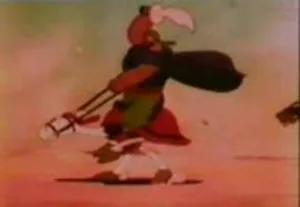
Look at the color design and the scale of the palace and the genie, which are the main reasons the series is remembered. Popeye’s imagining of himself as Aladdin keeps the Arabian Nights material in the cartoon’s comic register, with Olive Oyl cast as the princess he rescues from the palace. The genie sequences show the animators’ interest in fluid motion and exaggerated transformation, a style that suited the color specials well and that gives this short more visual variety than the studio’s earlier black-and-white Popeye work.