The Fall of the House of Usher (1928)
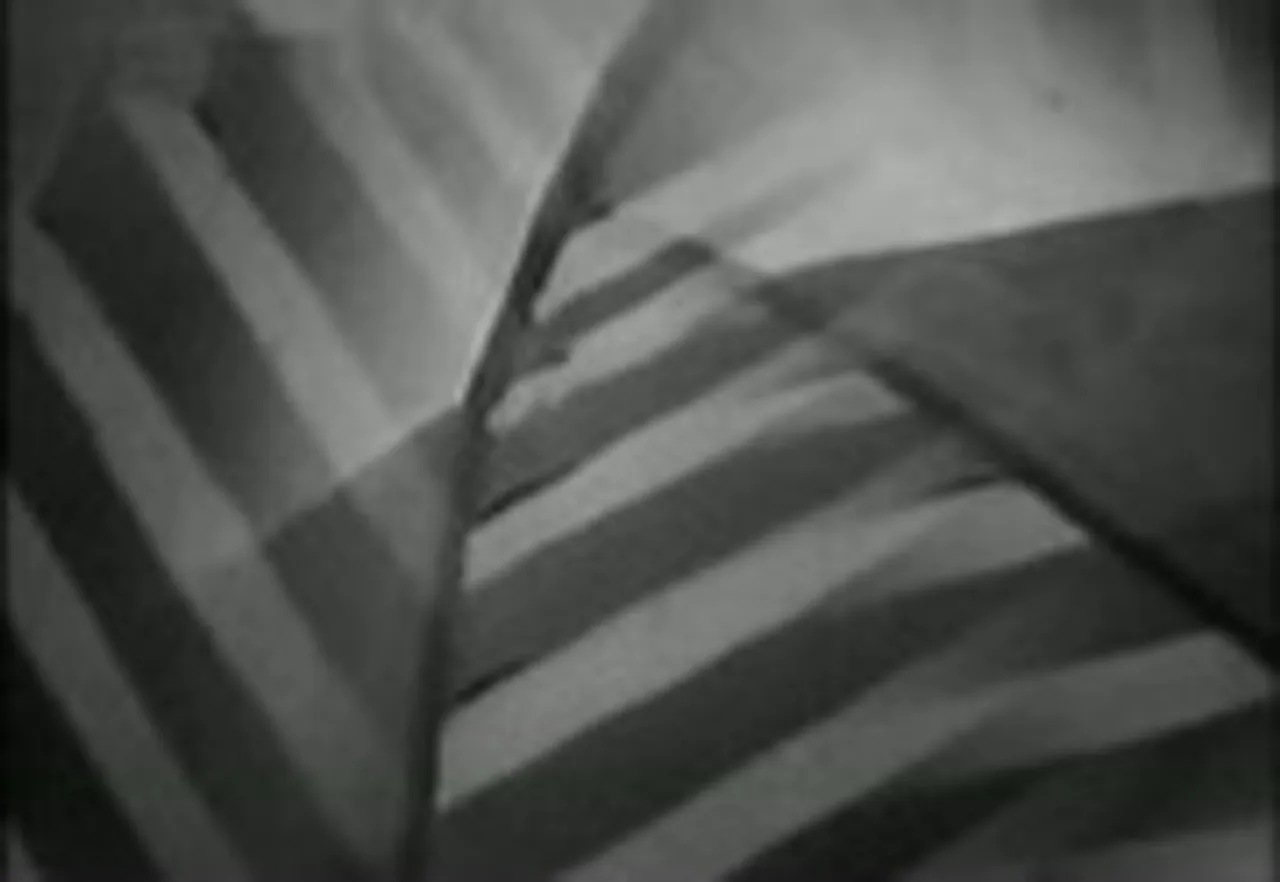
A traveler arrives at the crumbling Usher mansion, where Roderick entombs his sister Madeline after she collapses, only for her to return from the vault as the house tears itself apart. Watson and Webber render Poe's tale almost entirely through prisms, superimpositions, and distorting light rather than plot.
Made in a Rochester, New York home studio by physician-heir James Sibley Watson and poet Melville Webber, The Fall of the House of Usher distills Poe into pure visual delirium and stands as a cornerstone of American avant-garde film; the Library of Congress added it to the National Film Registry in 2000.
Background
This adaptation of Edgar Allan Poe’s story was made independently by James Sibley Watson, a physician from a wealthy family, and the poet Melville Webber, working in a home studio in Rochester, New York, well outside the Hollywood studio system. Rather than following Poe’s plot in a conventional, literal way, the filmmakers rendered the story almost entirely through prisms, double exposures, and distorted, expressionistic lighting effects.
What to watch for
Watch for how the film prioritizes mood and visual abstraction over narrative clarity, an approach closely tied to the broader tradition of American and European avant-garde filmmaking of the period. It stands as an early and influential example of independent, non-commercial filmmaking in the United States, made entirely outside normal studio financing and distribution. The Library of Congress added it to the National Film Registry in 2000.