The Big Trail (1930)
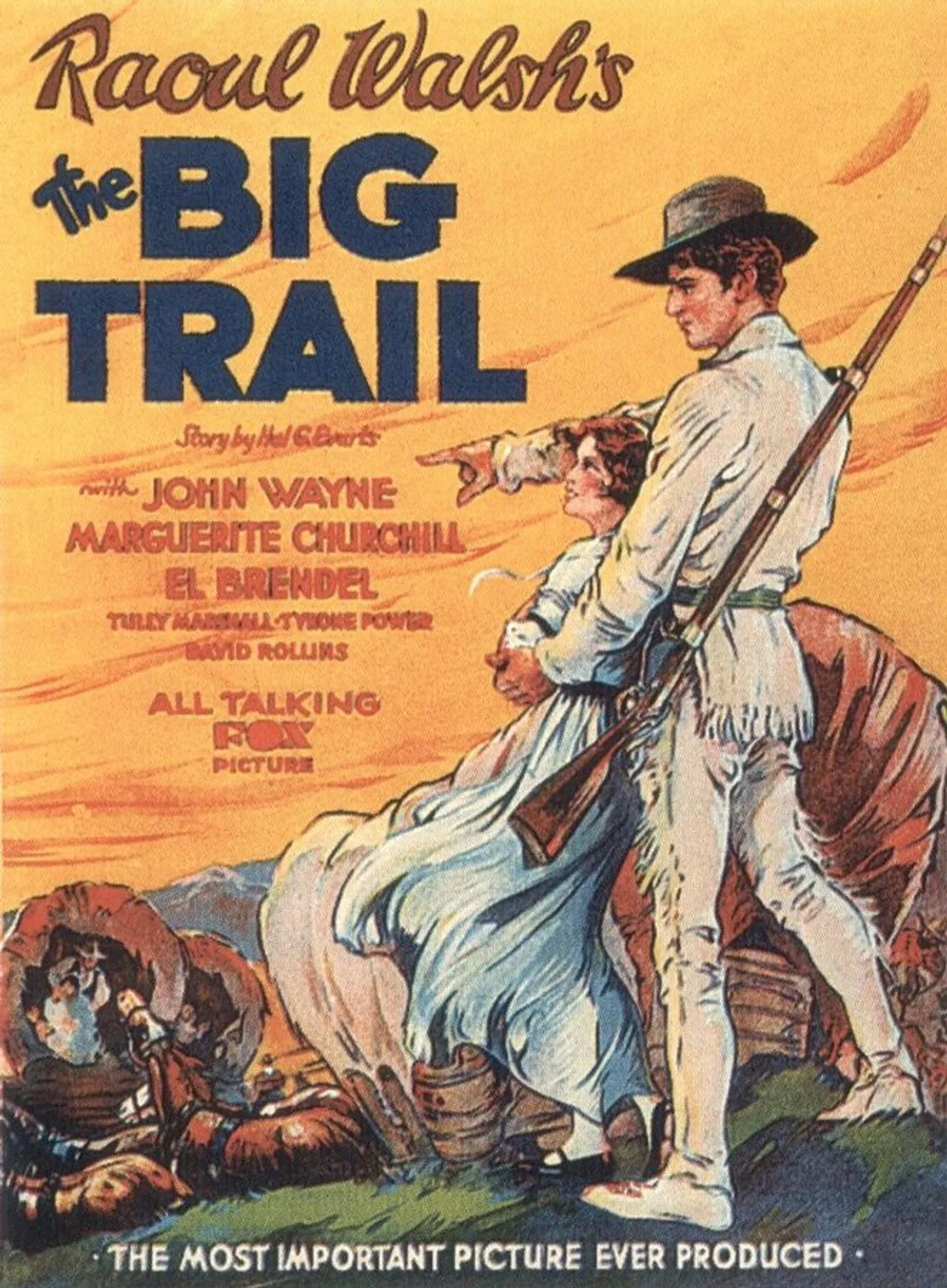
A young trapper signs on as a scout for a wagon train pushing from the Mississippi toward Oregon, hunting the men who murdered his friend while the caravan struggles across rivers, deserts, snow, and sheer cliffs.
Raoul Walsh’s The Big Trail gave John Wayne his first leading role and was shot simultaneously in standard 35mm and the widescreen 70mm “Grandeur” process, which almost no theater could yet project. A commercial failure in 1930, it was rediscovered decades later and is now preserved in the National Film Registry.
Background
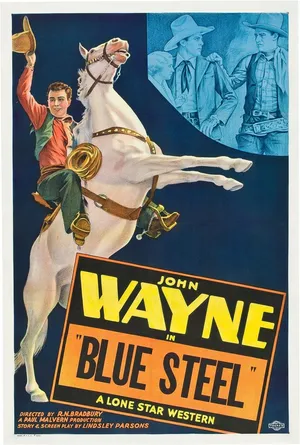
Raoul Walsh directed The Big Trail for Fox, and it was shot in the wide-screen 70mm process called Grandeur, at the same time as a standard 35mm version. Very few cinemas could show the wide version, which is one reason the film did poorly. Walsh cast a young man who had worked as a prop hand, Marion Morrison, in the lead role, and gave him a new name: John Wayne. John Ford had recommended him.
What to watch for
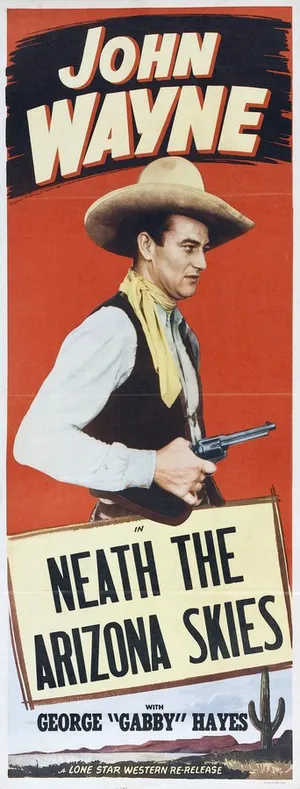
The film was made on location across several western states, and the scenes of wagons being lowered down cliffs with ropes and crossing rivers give it a sense of scale that later westerns rarely matched. Wayne’s performance is a little stiff, but you can see the presence that made him a star. After the film’s failure he spent years in low-budget westerns until Stagecoach in 1939. The Big Trail was rediscovered and restored and is now on the National Film Registry. It is a fascinating early epic.