Salt of the Earth (1954)
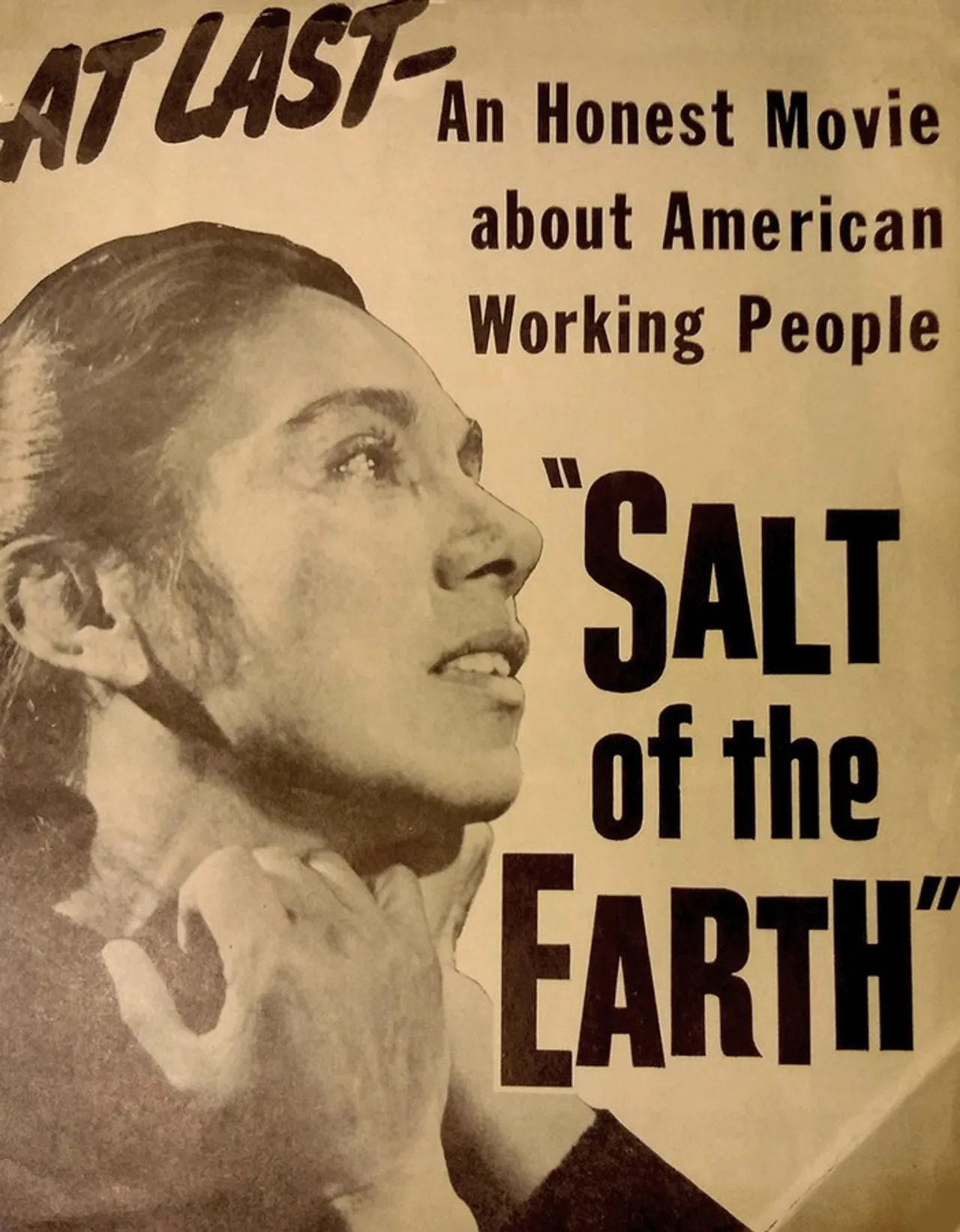
In a New Mexico mining town, Mexican-American zinc miners strike for safe conditions and parity with Anglo workers. When a court injunction bars the men from the picket line, their wives take it over, and the fight for the union becomes inseparable from a reckoning over the women's place at home.
Made by blacklisted filmmakers and acted largely by the real miners and families of Grant County, New Mexico, Salt of the Earth was denounced on the floor of the House of Representatives, saw its lead actress Rosaura Revueltas deported to Mexico mid-production, and was frozen out of distribution so thoroughly that only a handful of theaters would book it. It was rediscovered after a 1965 reissue and added to the National Film Registry in 1992.
Background
Salt of the Earth was made by filmmakers who had been blacklisted in Hollywood, including director Herbert J. Biberman, producer Paul Jarrico and screenwriter Michael Wilson. Most of the cast were local miners and their families in Grant County, New Mexico, and the lead actress Rosaura Revueltas was deported to Mexico during production. The film was denounced in Congress and struggled to find distribution. It was rediscovered after a 1965 reissue and added to the National Film Registry in 1992.
What to watch for
In a New Mexico zinc-mining town, Mexican-American miners strike for safe conditions and parity with Anglo workers. When a court injunction bars the men from the picket line, their wives take it over, and the fight for the union becomes a reckoning over the women’s place at home. Watch how the film centers the women’s perspective, especially in scenes where they confront their husbands and the company. Many performers were not professional actors, and their natural delivery gives the film a documentary quality. The film also moves between domestic and public spaces to show how the strike affects the whole community.